Source Reuter
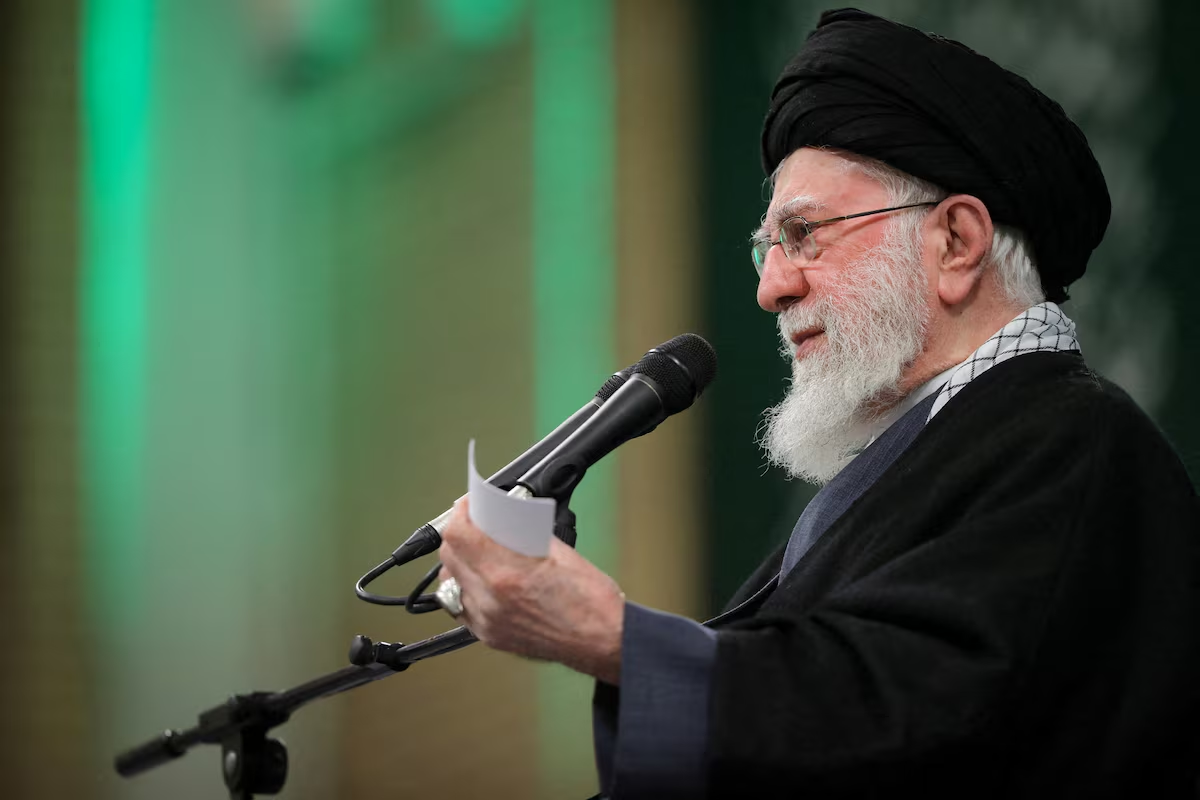
February 1, 2026 – Tehran/Washington — Iran’s Supreme Leader Ayatollah Ali Khamenei delivered a rare public appearance on Sunday, using the occasion to warn that any military strike by the United States against Iran would trigger a “regional war” across the Middle East, sharply escalating already mounting tensions between the two countries.
Khamenei’s comments come amid an increasingly fraught standoff following President Donald Trump’s repeated threats of military action if Iran fails to curb its nuclear ambitions and halt a violent crackdown on nationwide protests.
Strong Rhetoric Amid Diplomatic Signals
Speaking to a gathering in Tehran, the 86-year-old leader framed any U.S. assault as a dangerous escalation that would drag the broader region into conflict. He insisted Iran is not seeking war, but vowed that Tehran would respond forcefully to any aggression.
“We are not the instigators and do not seek to attack any country, but the Iranian nation will strike a strong blow against anyone who attacks and harasses them,” Khamenei said in remarks aired on state media.
His unusually public appearance—the first in weeks—was widely viewed as a strategic show of defiance, intended to project strength amid both internal unrest and external pressure.
Tensions Fueled by Protests and Military Posturing
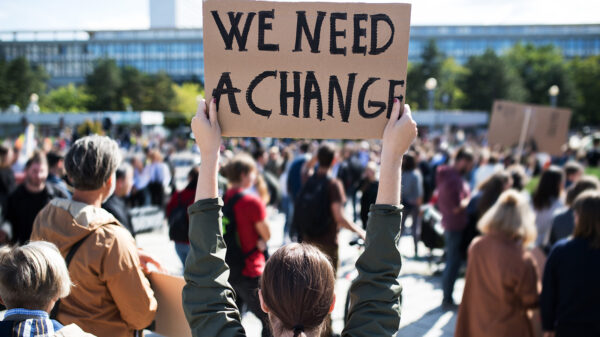
The warning follows weeks of intense domestic turmoil in Iran. Nationwide protests, sparked by economic grievances, have grown into a serious political challenge to the Islamic Republic’s leadership. Iranian authorities describe the unrest as orchestrated “sedition” akin to a coup—a characterization Khamenei repeated in his address.
In response to the protests and mounting international criticism, the U.S. has bolstered its military presence in the Middle East, including deploying the aircraft carrier USS Abraham Lincoln and accompanying warships to the region. President Trump has said that military action remains an option, though he also indicated that negotiations are underway to avert direct confrontation.
Diplomacy and Escalation Coexist
Despite the sharp rhetoric from both sides, there have been tentative diplomatic signals. Trump has acknowledged talks with Tehran aimed at avoiding conflict, though the details and prospects of any agreement remain unclear.
Meanwhile, Khamenei’s warning underscores the volatility of the situation: any misstep could have ramifications far beyond Iran’s borders, potentially engulfing neighboring states in wider hostilities.
Regional Impact and International Concern
Analysts say a military strike on Iran could destabilize an already fragile Middle East, impacting oil markets, security alliances, and global diplomatic relations. Gulf allies and European nations have expressed growing alarm over the possibility of a broader crisis.
As the standoff intensifies, world leaders and policymakers are monitoring the situation closely, urging restraint while preparing for the potential fallout of any escalation.