Source The Hindu
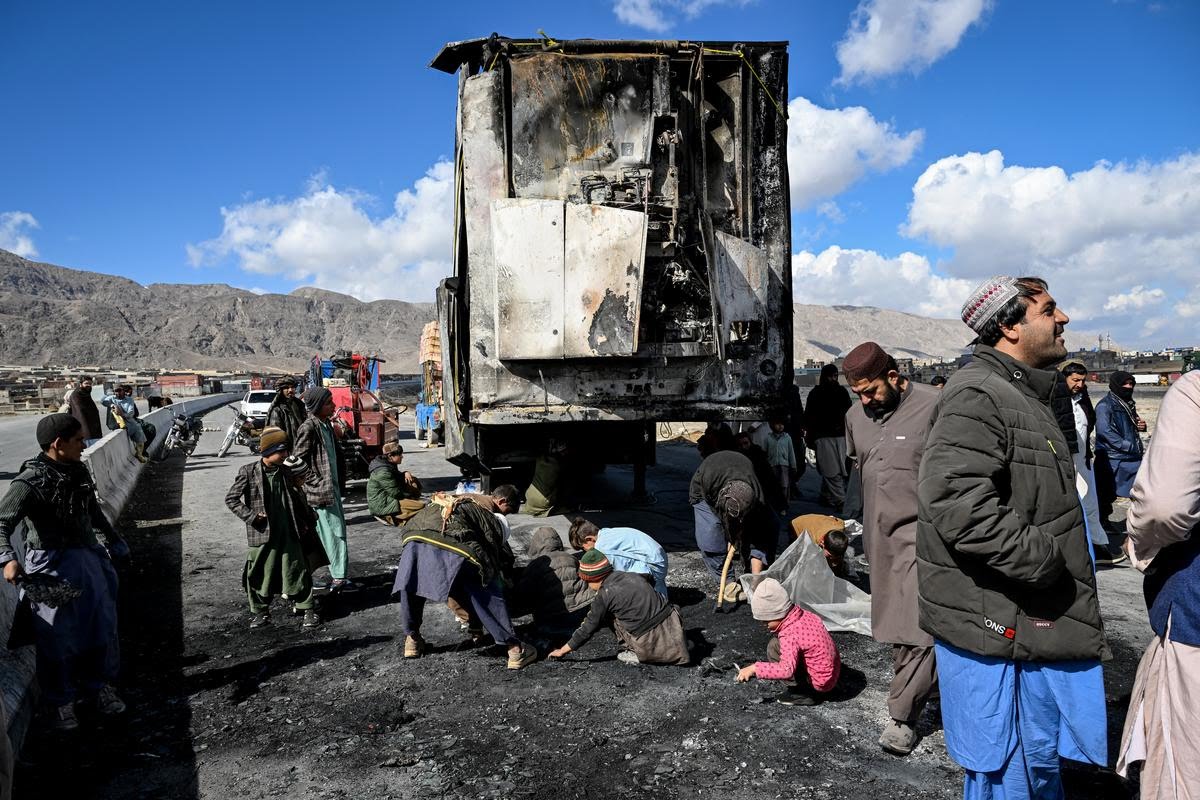
QUETTA, Pakistan — In one of the most significant security escalations in recent history, Pakistani security forces have killed 177 militants across Balochistan over the last 48 hours. The intensive counter-operations follow a series of sophisticated, coordinated strikes by the outlawed Baloch Liberation Army (BLA) that paralyzed the province over the weekend.
A Weekend of Coordinated Chaos
The violence erupted early Saturday, January 31, 2026, when nearly 200 insurgents launched simultaneous assaults in at least 12 towns and cities, including Quetta, Gwadar, and Mastung. The militants used a combination of suicide bombings, grenades, and heavy gunfire to target:
Police stations and paramilitary outposts
A high-security prison in Quetta (where dozens of inmates were briefly freed)
Critical infrastructure, including railway tracks and civilian transport vehicles
Residential areas, resulting in the deaths of at least 31 civilians and 17 security personnel.
The Military’s Response
Following the initial wave of attacks, the Pakistani military and police launched a province-wide “mopping-up” operation. Interior Minister Mohsin Naqvi confirmed on Monday, February 2, that the death toll of militants rose to 177 after additional raids overnight.
“Security forces, police, and intelligence agencies thwarted the nefarious intentions of terrorists by taking timely and effective action,” Naqvi stated, describing the toll as the highest in decades for such a short window of time.
Rising Tensions and Geopolitical Friction
The BLA, which labeled the offensive “Operation Herof 2.0,” claims their actions are a response to state exploitation of Balochistan’s natural resources. While the military asserts control has been restored, the province remains on edge with mobile and internet services suspended in several districts.
The conflict is also sparking diplomatic friction. Pakistani officials have alleged the insurgents are “Indian-backed,” a claim that New Delhi has firmly rejected as “baseless” and an attempt to deflect from internal security failures.