
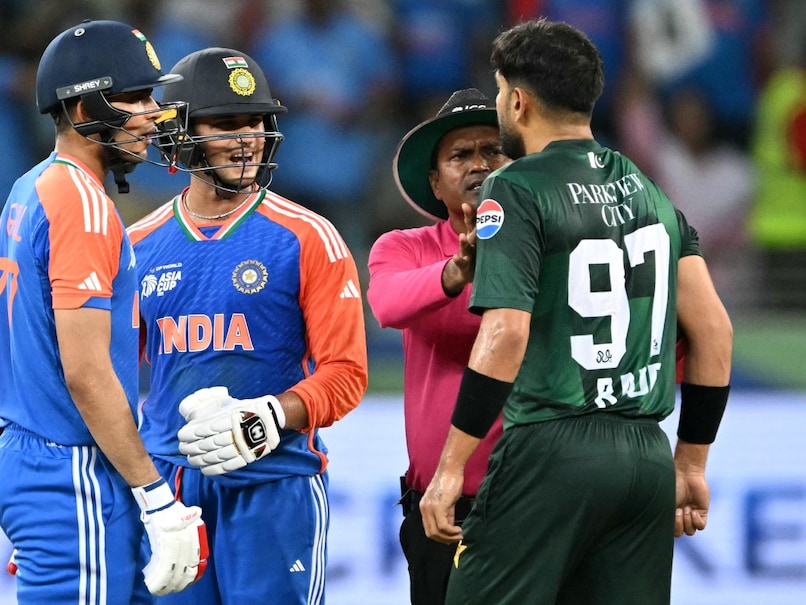
Source NDTV sport
The controversy surrounding a potential India versus Pakistan clash at the ICC Men’s T20 World Cup 2026 continues to intensify, with fresh reports suggesting that the Pakistan Cricket Board (PCB) may be reconsidering its hardline stance on a proposed boycott. The development has sparked widespread debate across the cricketing world, as fans and officials await clarity on one of the sport’s most politically sensitive rivalries.
According to media reports, PCB chairman Mohsin Naqvi could be weighing a strategic rethink amid growing pressure from international cricket stakeholders and commercial partners. While no official confirmation has been issued, sources claim that back-channel discussions are underway to avoid a scenario that could disrupt the tournament’s schedule and financial outlook.
The controversy erupted after calls within Pakistan’s cricketing and political circles to boycott matches against India, citing long-standing diplomatic tensions. The issue quickly escalated into a global talking point, given that India-Pakistan encounters are among the most watched and lucrative fixtures in world cricket.
Cricket analysts note that an outright boycott could have significant consequences for Pakistan cricket, including strained relations with the International Cricket Council (ICC) and potential financial losses. Broadcasters and sponsors are also believed to be urging both boards to find a pragmatic solution that keeps cricketing considerations separate from political disputes.
For now, the Board of Control for Cricket in India (BCCI) has maintained silence on the matter, sticking to the ICC’s official framework and awaiting formal communication. The ICC, too, has refrained from public comment, though insiders suggest it is closely monitoring the situation.
As speculation over a possible U-turn by PCB leadership grows, fans on both sides of the border remain hopeful that the marquee clash will go ahead. An India-Pakistan match at the T20 World Cup 2026 would not only be a sporting spectacle but also a crucial test of cricket diplomacy in a complex geopolitical landscape.









