
Source The Hindu
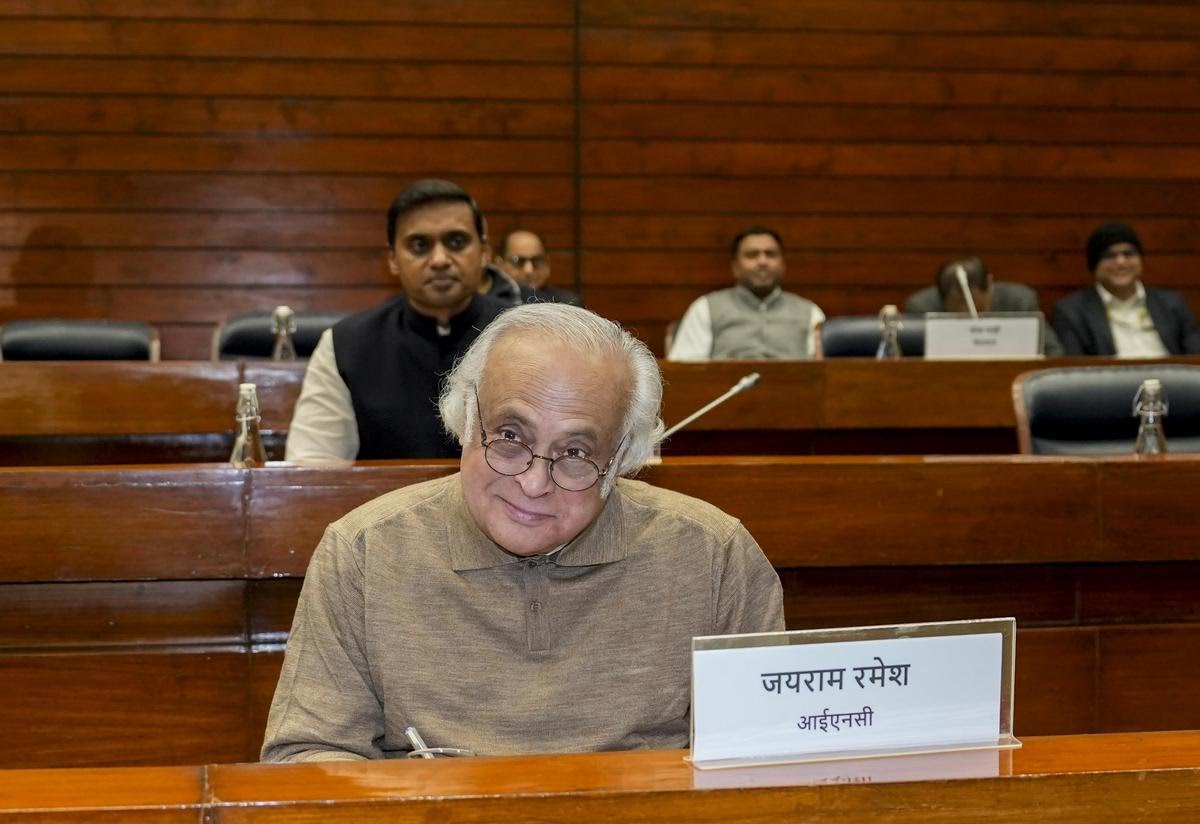
The Congress on Friday took a swipe at the Narendra Modi-led government over the interim trade deal between India and the United States, alleging that Washington emerged with greater gains from the negotiations. Using a political catchphrase, the opposition party remarked that “‘Namaste Trump’ has scored over ‘Howdy Modi’,” questioning the balance of the agreement.
Reacting to reports of the interim trade arrangement, senior Congress leaders claimed that the deal reflects a pattern where India makes significant concessions while receiving limited reciprocal benefits. They argued that despite years of high-profile diplomacy and personal outreach between Prime Minister Narendra Modi and former US President Donald Trump, Indian interests—particularly those of farmers, small manufacturers, and exporters—may have been compromised.
“The government has repeatedly projected personal diplomacy as a major achievement. But when you examine the substance of the trade deal, it appears the US has secured more favourable terms,” a Congress spokesperson said, adding that transparency around the negotiations has been lacking.
The party also raised concerns over market access, tariffs, and regulatory issues, suggesting that Indian sectors could face increased competition from American imports without adequate safeguards. Congress demanded that the government place the full details of the interim agreement in the public domain and consult Parliament before finalising any comprehensive trade pact.
The government, however, has maintained that the interim trade deal is a step toward resolving long-pending trade irritants between the two countries and will pave the way for a broader, mutually beneficial agreement. Officials have stated that India’s core interests remain protected and that negotiations are ongoing.
India and the US have been engaged in trade talks for several years, aiming to address issues ranging from tariffs and market access to standards and regulatory barriers. While an interim deal is seen as a confidence-building measure, political sparring at home underscores the sensitivity surrounding trade negotiations with major global partners.









