Source Aljajeera
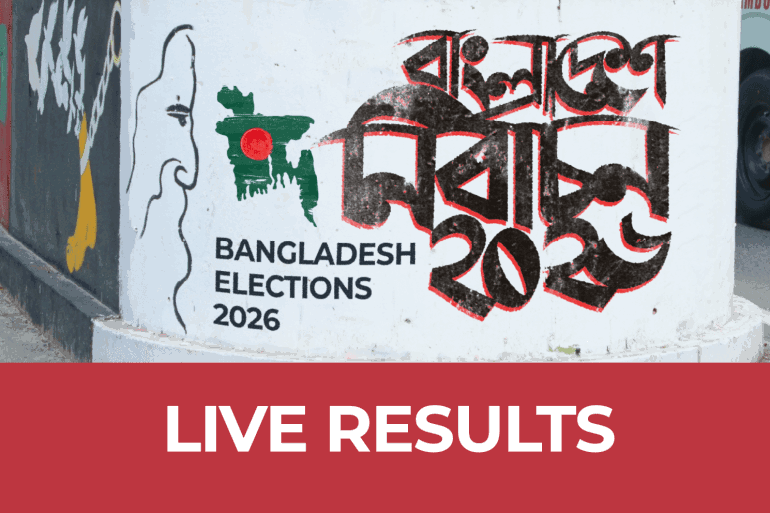
DHAKA – Following the “Monsoon Revolution” that reshaped the nation’s political landscape, Bangladeshis headed to the polls on Thursday, February 12, 2026, for the first general election in nearly two decades not dominated by the Awami League. With the party of deposed leader Sheikh Hasina barred from the race, the Bangladesh Nationalist Party (BNP) has emerged as the early front-runner in a high-stakes contest against an 11-party Islamist coalition.
As counting continues through the night, the country remains on edge, awaiting a result that will define its democratic future under the guidance of the interim government led by Nobel laureate Muhammad Yunus.
The Numbers at a Glance (Live Updates)
The Bangladesh Election Commission began counting immediately after polls closed at 4:30 PM local time. Here is the breakdown of the figures reported so far:
Key Metric Status / Data
Total Eligible Voters 127.7 Million
Voter Turnout (as of 2:00 PM) 47.91%
Total Parliamentary Seats 300 (Directly Elected)
Majority Mark 151 Seats
Polling Centers 42,766
Official Results Expected Friday, February 13 (Morning)
Early Trends and Standout Contests
Initial data from the Election Commission suggests a strong performance by the BNP in its traditional strongholds:
Tarique Rahman’s Double Lead: BNP Chairman Tarique Rahman, returning from 17 years in exile, is reportedly leading in both of his contested constituencies, including the high-profile Dhaka-17 seat.
The BNP Advantage: Early trends indicate the BNP holds a significant lead in approximately 60 seats across the country.
Key Battleground: In Noakhali-1, BNP’s AM Mahbub Uddin Khokon leads with over 34,000 votes, ahead of Jamaat-e-Islami’s Md Shaif Ullah.
Surprise Contenders: The National Citizen Party (NCP), born out of the student-led uprising, is showing unexpected strength in several urban centers, including a lead in Kurigram-2.
A Dual Mandate: The National Referendum
For the first time in history, voters were issued two ballots: a white one for the parliamentary election and a pink one for a national referendum. This referendum asks citizens to approve an 84-point reform package—the National Charter 2025—designed by the interim government to prevent the return of “authoritarian rule.”
“This is the birthday of the new Bangladesh,” said Chief Adviser Muhammad Yunus after casting his vote. “We are moving away from a nightmarish past toward a transparent future.”
Challenges to Legitimacy
Despite the festive atmosphere in many regions, the election has not been without controversy. From her exile, former Prime Minister Sheikh Hasina labeled the polls a “farce” and a “voter-less exercise,” claiming turnout was significantly lower than official reports.
While the day was largely peaceful, isolated incidents of violence—including a crude bomb blast in Gopalganj that injured three—remind the nation of the deep-seated tensions that still simmer beneath the surface.
What’s next?
Full constituency results are expected to trickle in throughout the early hours of Friday. If the BNP secures a majority, Tarique Rahman is widely expected to be sworn in as the next Prime Minister.