Source HT
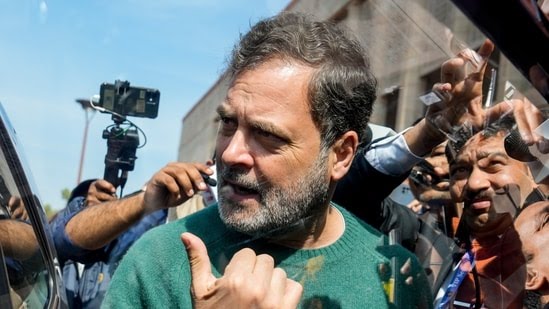
New Delhi: A Bharatiya Janata Party (BJP) Member of Parliament has sought a substantive motion in the Lok Sabha against Congress leader Rahul Gandhi, demanding his expulsion from the House and disqualification from contesting future elections. The move has intensified political tensions between the ruling alliance and the opposition, triggering a fresh debate over parliamentary conduct and legal procedure.
The MP has urged the Speaker to take cognisance of alleged remarks made by Gandhi, claiming they violated parliamentary privileges and brought disrepute to the House. According to parliamentary rules, a substantive motion is a formal proposal placed before the Lok Sabha seeking a decision of the House on a specific matter, including disciplinary action against a member.
If the motion is admitted, it may be referred to the Privileges Committee for examination. The committee can summon the concerned member, review evidence and recommend action. Possible outcomes range from a warning or reprimand to suspension or expulsion, depending on the seriousness of the findings and whether the House adopts the recommendations.
However, legal experts point out that expulsion from Parliament does not automatically bar a leader from contesting elections. Disqualification from polls can only occur under provisions of the Representation of the People Act, typically after a criminal conviction carrying a specified sentence, or under anti-defection or corruption-related clauses. Therefore, even if disciplinary action is taken inside Parliament, a separate legal process would be required to impose an electoral ban.
The Congress has strongly objected to the move, calling it politically motivated and an attempt to silence the opposition. Party leaders argued that parliamentary debate must allow criticism of the government and warned that such steps could set a dangerous precedent.
The development is expected to spark heated exchanges in both Houses, with opposition parties likely to rally behind Gandhi. The Speaker’s decision on whether to admit the motion will determine the next course of action, including the possibility of a formal inquiry and debate in Parliament.