
Source The economics Times
India’s retail inflation cooled to 2.75% in January, marking one of the lowest readings in recent months, according to official data released by the Ministry of Statistics and Programme Implementation. The moderation in price rise comes alongside a structural change in the Consumer Price Index (CPI) basket, which now gives higher weight to housing and services while slightly reducing the dominance of food items.
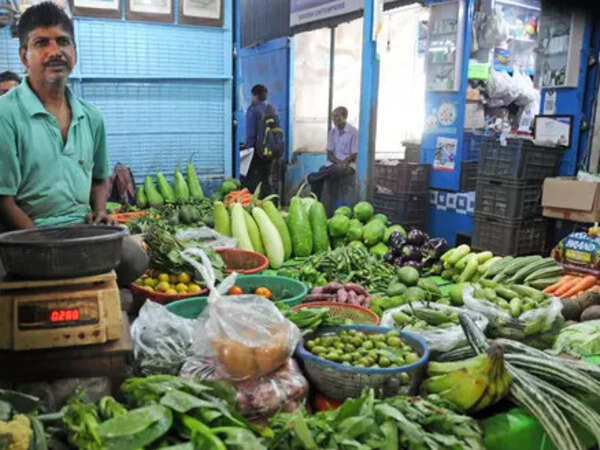
The fall in inflation was largely driven by stable food prices and softer vegetable rates after seasonal corrections. Cereals and pulses showed limited upward movement, while edible oils and spices recorded marginal fluctuations. Economists noted that the easing in food inflation has helped keep overall consumer prices well below the Reserve Bank of India’s medium-term target of 4%.
However, the revised CPI basket indicates a shift in consumption patterns across the country. Urbanisation and rising incomes have increased spending on rent, transport, communication, healthcare, and education. As a result, housing and service-related components now carry greater influence in determining inflation, making price trends more reflective of lifestyle expenditure rather than only essential commodities.
Housing inflation showed a mild uptick in January, particularly in urban regions where rental costs have been rising steadily. Similarly, service-sector inflation — including personal care, transport fares, and communication — remained sticky even as food inflation cooled. Analysts believe this could limit how sharply overall inflation falls in coming months.
The latest data provides comfort to policymakers, as inflation remains well within the RBI’s tolerance band of 2–6%. With price pressures easing, expectations are growing that the central bank may gain room to consider monetary policy adjustments later in the year, depending on global commodity prices and domestic demand conditions.
Experts caution, however, that future inflation trends will depend on weather patterns, global crude oil prices, and supply-chain stability. The increasing role of services in the CPI basket also means inflation may become less volatile but more persistent, especially in urban economies.
Overall, January’s data signals a transition in India’s inflation dynamics — from food-led fluctuations toward service-driven price movements — reflecting the country’s evolving consumption behaviour and economic structure.









