
Source BBC
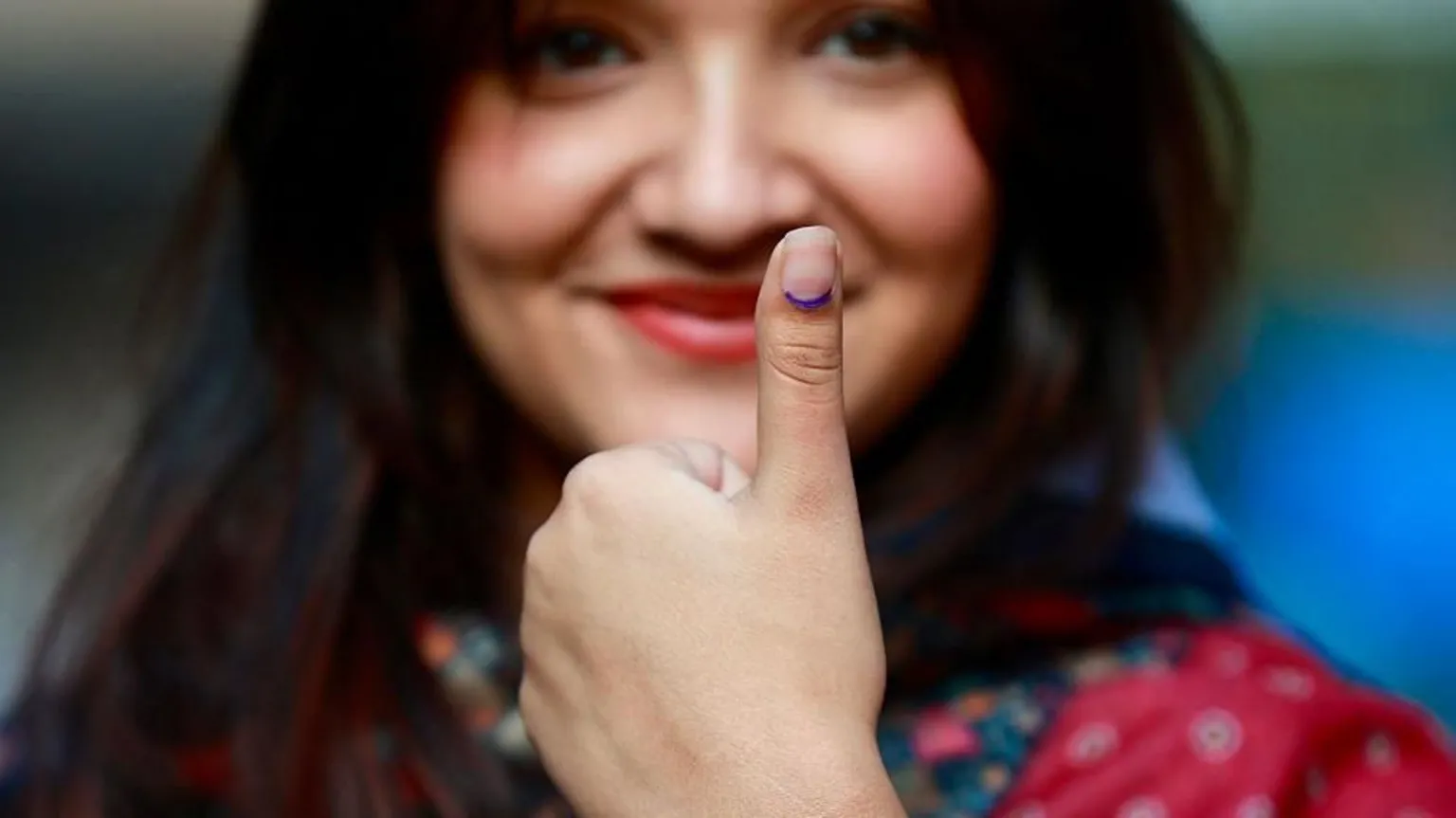
KATHMANDU — Millions of Nepalis headed to the polls on Thursday in a landmark general election, the first since a massive, youth-led “Gen Z uprising” toppled the previous administration and forced a radical reset of the country’s political landscape.
The election for the 275-member House of Representatives comes six months after a wave of unprecedented protests in September 2025. What began as a movement against a social media ban and government corruption escalated into a national revolution, resulting in the resignation of then-Prime Minister KP Sharma Oli and the appointment of an interim government led by former Chief Justice Sushila Karki.
A Generational Showdown
Long dominated by a “revolving door” of aging political veterans, Nepal’s 2026 election is being framed as a high-stakes battle between the established guard and a surge of “new wave” politicians.
The Rastriya Swatantra Party (RSP), led by 35-year-old rapper-turned-politician and former Kathmandu Mayor Balen Shah, has emerged as a formidable challenger. Shah, a key figure during last year’s protests, has centered his campaign on health, education, and the dismantling of the patronage-driven economy that fueled the uprising.
On the other side of the divide, KP Sharma Oli and his CPN-UML party seek a political comeback, positioning themselves as the voice of stability and experience. Meanwhile, the Nepali Congress, led by the reformist Gagan Thapa, is attempting to bridge the gap by pitching himself as a younger alternative within a traditional framework.
The Numbers and the Stakes
Voters: Approximately 18.9 million eligible voters, including nearly one million newly registered youth.
The Race: 3,406 candidates are competing for 165 directly elected seats, while another 110 seats will be filled via proportional representation.
Security: Thousands of police and army personnel were deployed to ensure a peaceful vote, following the violence of 2025 that saw at least 77 people killed.
Voices from the Polling Booth
For many, the act of voting felt like the final chapter of the revolution. “We didn’t just want the old leaders out; we wanted a new system,” said 21-year-old student Anjali Rai in Kathmandu. “Last year we were on the streets with placards; today we are here with ballots. This is the change we died for.”
Interim Prime Minister Sushila Karki, after casting her vote, called the day a victory for the constitution. “This election was a necessity to bring the country back to the right track,” she told reporters.
What’s Next?
Polls closed at 5:00 PM local time. While the Election Commission hopes to announce direct-voting results within 24 to 48 hours, the proportional representation count could take longer due to Nepal’s challenging terrain and manual counting process.
The world now watches to see if the energy of the “Gen Z uprising” will translate into a stable, youth-led government or if the veteran elite will maintain their grip on the Himalayan nation.









