Source BBC
NEW DELHI — Amidst a deepening maritime crisis in West Asia, India is doubling down on direct diplomatic engagement with Tehran to secure the passage of its merchant vessels through the increasingly volatile Strait of Hormuz.
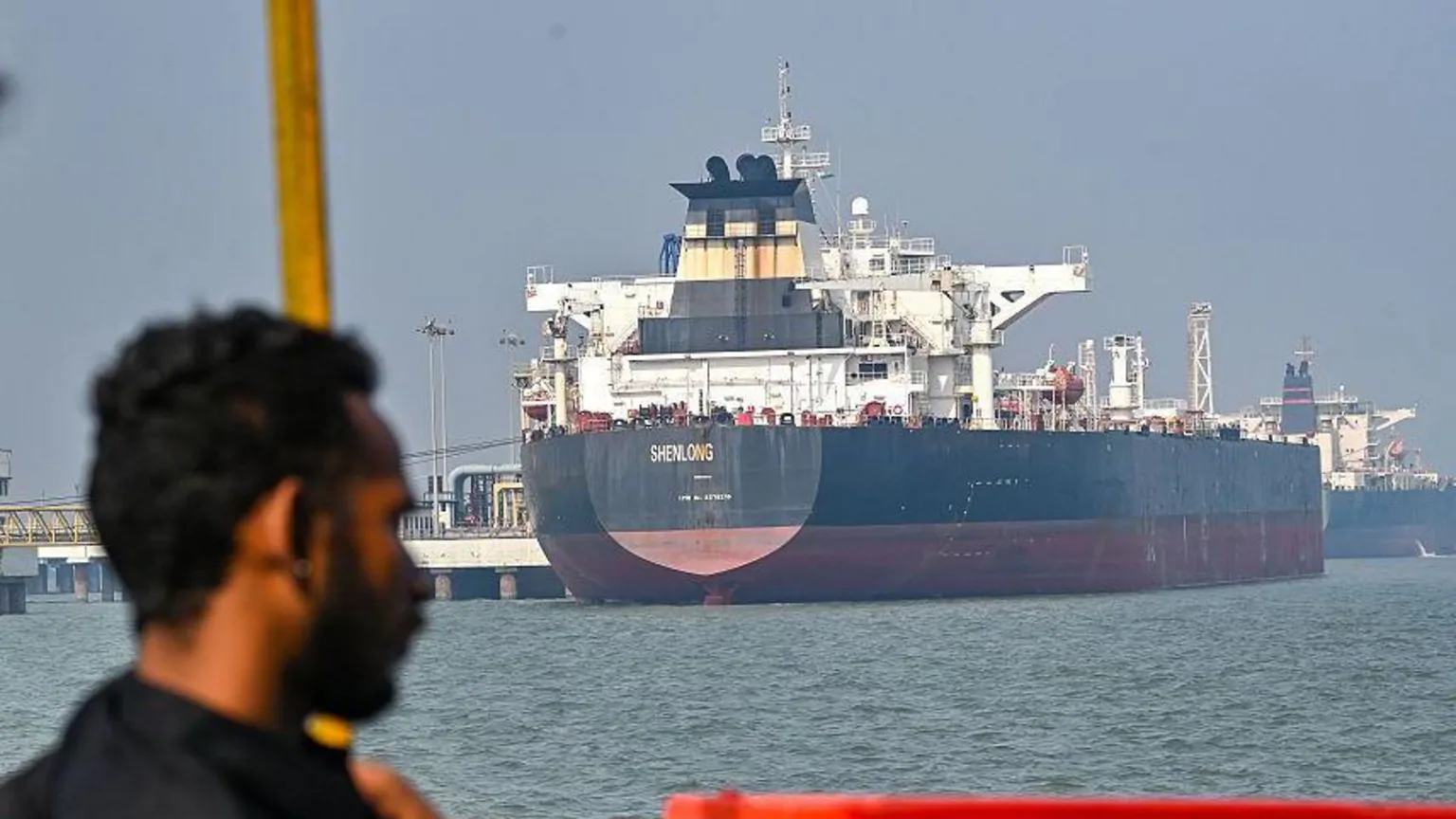
External Affairs Minister S. Jaishankar confirmed on Monday that high-level talks have already yielded “initial results,” with two Indian-flagged LPG tankers—the Shivalik and the Nanda Devi—successfully transiting the strait over the weekend. The vessels, carrying over 92,000 metric tonnes of cooking gas, arrived safely after days of uncertainty that had begun to trigger panic-buying in parts of India.
Reason over Force
While the United States has called for a multinational “warship escort” to police the waterway, New Delhi has signaled a preference for “reasoning and coordination.”
“From India’s perspective, it is better that we reason and we coordinate and we get a solution than we don’t,” Jaishankar told the Financial Times. “My talking has yielded some results.”
However, the Minister cautioned that there is no “blanket arrangement” in place. Each ship’s movement is currently being negotiated on an individual basis. At least 22 Indian-flagged vessels and over 600 seafarers remain stationed in the Persian Gulf, awaiting clearance as the region grapples with the fallout of the February 28 strikes on Iran and subsequent retaliatory threats.
Key Challenges in the Strait
The Strait of Hormuz is a vital artery for India’s energy security, handling approximately 20% of global oil and LNG shipments. The current bottleneck has created a delicate balancing act for Indian policymakers:
Issue Current Status
Energy Impact Shortages in LPG (cooking gas) reported; restaurant closures in some sectors.
Naval Presence India has not yet joined the U.S.-led naval coalition, preferring bilateral talks.
Diplomatic Strategy PM Modi and Minister Jaishankar are in direct contact with Iranian counterparts.
The “Price” of Passage Jaishankar denied any “quid pro quo” or exchange deal for the tanker releases.
The Road Ahead
Iran’s Foreign Minister, Abbas Araghchi, has indicated that Tehran remains “open” to discussing safe passage with specific countries, though he emphasized that final decisions rest with the Iranian military.
For India, the priority remains the safe return of the remaining 22 ships and the stabilization of energy prices, which analysts warn could spike if the “near-blockade” continues. As of today, the Ministry of External Affairs continues to advocate for de-escalation, urging all parties to respect the sovereignty and territorial integrity of states in the region.