Source The New Indian express
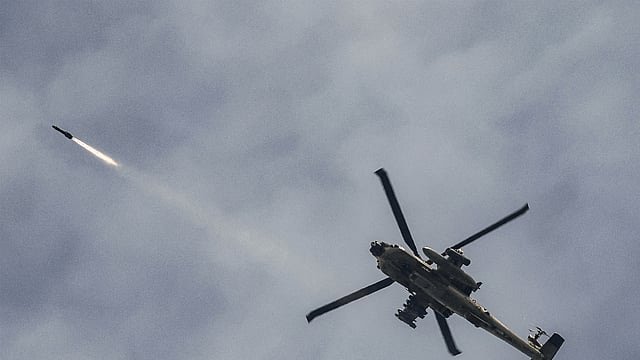
HAIFA / WASHINGTON — The conflict in West Asia escalated to a volatile new peak on Thursday as Iranian strikes reportedly damaged Israeli oil refineries, prompting Tehran to declare a policy of “zero restraint.” Despite the intensifying aerial campaign, U.S. President Donald Trump has signaled a firm boundary on American involvement, stating he has no intention of deploying ground troops to the region.
Critical Infrastructure Under Fire
The latest wave of hostilities saw significant strikes on energy hubs, a move that has sent global oil prices surging.
Haifa Refineries Hit: Israeli media reported damage to refinery complexes in Haifa following an Iranian missile and drone barrage.
Regional Fallout: The escalation follows earlier Israeli strikes on Iran’s South Pars gas field—the world’s largest—which knocked out nearly 20% of Iran’s gas processing capacity.
Gulf Tensions: Iranian-backed strikes also reportedly targeted the Ras Laffan LNG hub in Qatar and facilities in the UAE, sparking fires and forcing emergency shutdowns.
Tehran’s “Zero Restraint” Ultimatum
Iranian Foreign Minister Abbas Araghchi issued a stern warning via social media, claiming that previous responses used only a “fraction” of Iran’s military power.
“The only reason for restraint was respect for requested de-escalation,” Araghchi stated. “There will be ZERO restraint if our infrastructure is struck again.”
This shift in rhetoric suggests that Tehran is prepared to target a broader array of civilian and economic assets across the region if the U.S.-Israeli coalition continues its “Operation Roaring Lion” campaign.
Trump: “Not Putting Troops Anywhere”
In Washington, President Trump addressed the growing calls for a more robust U.S. presence. While the Pentagon has requested an additional $200 billion in emergency funding for the conflict, the President has drawn a clear line at boots on the ground.
“No, I’m not putting troops anywhere,” Trump told reporters during a meeting with Japanese Prime Minister Sanae Takaichi. He characterized the funding request as a “small price to pay” to maintain military readiness but insisted that the U.S. strategy remains focused on precision strikes and maritime security rather than a ground invasion.
Global Market Reaction
The targeting of refineries and the effective blockade of the Strait of Hormuz by Iranian forces has paralyzed commercial shipping.
Oil Prices: Brent crude has soared past $115 per barrel.
Economic Impact: The WTO warned that sustained high energy prices could slash global trade growth by an additional 1% in 2026.
As the conflict enters its third week, the international community remains on edge, with six Western allies—including Britain, France, and Germany—pledging to coordinate efforts to ensure safe passage for energy exports through the Gulf.