Source space
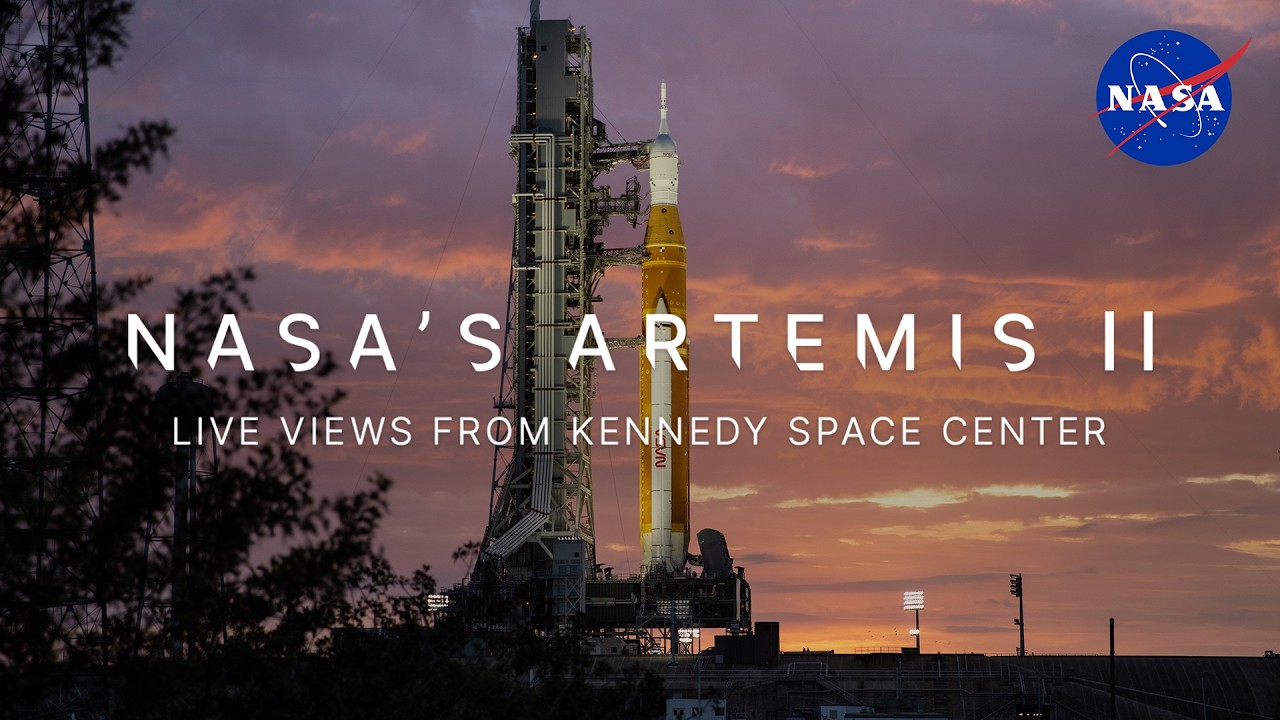
In a major milestone for the United States’ lunar exploration program, NASA has successfully rolled out its massive Space Launch System (SLS) rocket to the launch pad on March 19. This marks a crucial step forward for the Artemis II mission, which aims to send astronauts around the Moon for the first time in over five decades.
The rollout took place at the Kennedy Space Center in Florida, where the towering rocket—standing over 98 meters tall—was transported from the Vehicle Assembly Building to Launch Complex 39B. The process, which took several hours, drew attention from space enthusiasts and engineers alike, as the SLS remains the most powerful rocket ever built.
Artemis II is set to be the first crewed mission under NASA’s Artemis program. Unlike the uncrewed Artemis I test flight, this mission will carry astronauts on a journey around the Moon and back to Earth, paving the way for future lunar landings. The mission is expected to test critical life-support systems, navigation, and deep-space operations.
Officials confirmed that the rollout is part of a series of final preparations, including system checks, fueling tests, and countdown rehearsals. These procedures are designed to ensure the rocket and spacecraft are fully ready for launch.
The Artemis program aims to establish a sustainable human presence on the Moon and eventually prepare for missions to Mars. Artemis II will play a key role in validating technologies and operations needed for long-term space exploration.
With the rocket now back on the launch pad, anticipation is building for the next phase of testing and the eventual launch date, which could mark a historic return of humans to deep space exploration.