Source TOI
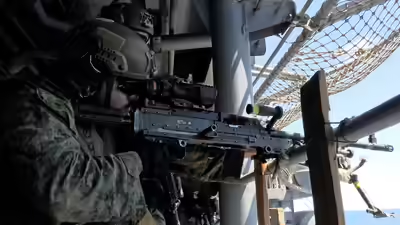
The already volatile situation in the Middle East has intensified further, as Iran declared it is “waiting” for a possible United States ground assault, even as Washington continues to expand its military footprint in the region. The latest developments come amid reports that approximately 3,500 American troops have arrived aboard the USS Tripoli, marking one of the largest recent U.S. deployments in the area.
Iranian officials have responded with strong rhetoric, warning that their forces are fully prepared to confront any ground invasion. Senior leaders, including parliamentary figures, have issued stark threats, suggesting that U.S. troops would face severe retaliation if deployed on Iranian soil.
The troop movement has fueled speculation that Washington may be considering expanding its military operations beyond airstrikes into direct ground engagement. According to reports, the Pentagon is actively preparing contingency plans for potential ground operations that could involve both Special Operations forces and conventional infantry units. However, no final decision has yet been publicly confirmed by the U.S. administration.
Despite the rising tensions, analysts note that any full-scale invasion would carry significant risks and logistical challenges. Current indications suggest that if ground action is approved, it may be limited in scope—focused on targeted raids or strategic objectives rather than a prolonged occupation.
Meanwhile, the broader regional conflict continues to escalate, with ongoing strikes, counterattacks, and disruptions to key global energy routes such as the Strait of Hormuz. Diplomatic efforts involving several countries are underway, but so far have shown little sign of easing the crisis.
As both sides harden their positions, the situation remains highly unpredictable, raising concerns of a wider conflict that could have far-reaching global consequences.