
Source TOI
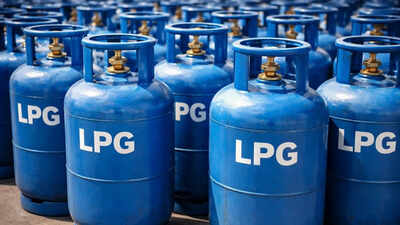
New Delhi: After weeks of production bottlenecks and labor shortages, India’s industrial sector is showing signs of recovery as the government successfully eases the commercial liquefied petroleum gas (LPG) crisis. Following a strategic increase in gas allocations, major factories across the country are reporting a steady return to normal operations.
Policy Shift Drives Relief
The recovery follows the Centre’s decision last Friday to raise the allocation of commercial LPG by 20 percentage points. This move brought supply levels back to approximately 70% of pre-disruption volumes. The crisis had been triggered by geopolitical tensions in the Gulf and a near-blockade of the Strait of Hormuz by Iran, which severely restricted fuel imports.
To stabilize the economy, the government has designated high-impact, labor-intensive sectors—including steel, automobiles, textiles, dyes, chemicals, and plastics—as “priority areas” for fuel distribution.
Labor Returning to the Shop Floor
One of the most significant indicators of recovery is the return of the migrant workforce. During the height of the shortage, many workers were forced to leave as the cost of food spiked and local mess halls shut down due to a lack of cooking gas.
In response, many industrial firms took proactive measures to retain their staff. From providing on-site canteen meals to offering “LPG incentives” of up to ₹5,000 to offset rising living costs, these efforts have successfully stabilized attendance levels. Industry leaders, such as Avneet Singh Marwah of Super Plastronics, confirmed that supply pressures have eased enough for the workforce to return in full force.
Industry Leaders Express Optimism
Across various sectors, the outlook is turning positive:
Appliances: Kamal Nandi, head of Godrej Enterprises’ appliance business, noted that the industry now has a week’s worth of supply visibility, compared to just 24 hours during the peak of the crisis.
Automotive: Smaller vendors are finally seeing relief, while larger manufacturers have leveraged alternative fuel options to bridge the gap.
Manufacturing: Ajay DD Singhania, CEO of Epack Durable, reported that supplies have recovered to 60% and are expected to hit 80% within the coming week.
The Road Ahead
While the immediate crisis is fading, industry experts warn that the production losses incurred over the past month are likely unrecoverable. Furthermore, companies in the packaged food sector have appealed to the government to be included in the priority list to ensure the stability of the food supply chain.
As two more LPG tankers are currently en route to Indian ports via the Strait of Hormuz, the “new normal” for Indian industry involves daily supply monitoring to ensure that the wheels of production keep turning without further interruption.









