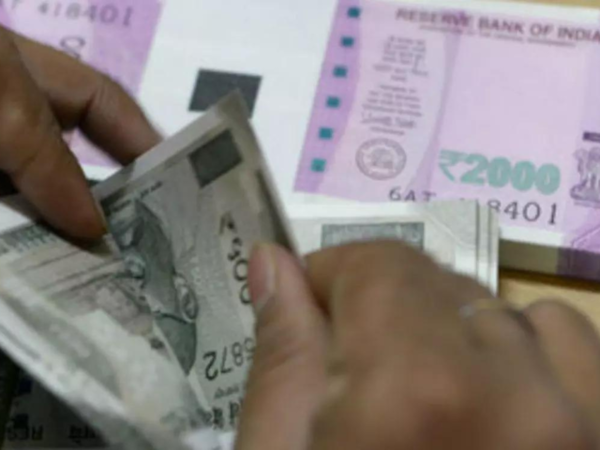
Source The economics Times
The Indian currency tumbled past the 95 mark against the US dollar, recording its steepest annual fall in 14 years, amid mounting global and domestic pressures. The sharp depreciation reflects a combination of strong dollar demand, rising geopolitical uncertainties, and sustained capital outflows from emerging markets.
Market analysts attribute the rupee’s decline largely to the strengthening of the US dollar, driven by higher interest rates in the United States and resilient economic data. This has made dollar-denominated assets more attractive, pulling foreign investments away from countries like India.
Additionally, elevated crude oil prices have added to the pressure. As India is heavily dependent on oil imports, a rise in global oil prices increases the demand for dollars, further weakening the rupee. Concerns over widening trade and current account deficits have also weighed on investor sentiment.
The Reserve Bank of India (RBI) has been actively intervening in the foreign exchange market to curb excessive volatility. However, experts suggest that while such interventions can smooth fluctuations, they may not be enough to reverse the broader trend driven by global factors.
Despite the decline, economists believe India’s macroeconomic fundamentals remain relatively strong compared to other emerging markets. However, continued pressure on the currency could lead to higher import costs, fueling inflation and impacting businesses dependent on foreign goods.
Going forward, the trajectory of the rupee will depend on global monetary policy trends, crude oil movements, and the pace of foreign investment inflows. Market participants are expected to closely watch central bank actions and geopolitical developments for further cues.