
Source NDTV
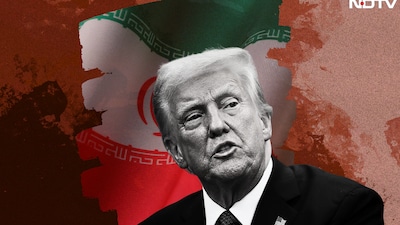
In a dramatic escalation of rhetoric amid the ongoing Middle East conflict, former U.S. President Donald Trump has claimed that Iran has reached out to Washington seeking a ceasefire, while simultaneously warning of intensified military action if key conditions are not met.
According to Trump, Iran’s leadership has allegedly expressed willingness to halt hostilities. However, he made it clear that the United States would only consider such a proposal if the strategically vital Strait of Hormuz is “open, free, and clear” for international navigation.
In a strongly worded statement posted on his social media platform, Trump warned that failure to meet this demand would result in continued military strikes, stating that Iran could be “blasted back to the Stone Age.”
🇮🇷 Iran Rejects Claims
Iranian officials have swiftly denied Trump’s assertions. The country’s foreign ministry described the ceasefire claim as “false and baseless,” insisting that Tehran has neither requested a truce nor entered negotiations with the United States.
Iran’s leadership has instead emphasized that it seeks a complete end to the conflict rather than a temporary ceasefire, along with guarantees against future military actions.
🌍 Rising Global Stakes
The situation remains highly volatile, with the Strait of Hormuz at the center of tensions. The waterway is one of the world’s most critical oil transit routes, and disruptions have already triggered fluctuations in global energy markets.
Meanwhile, military operations in the region continue, with both sides showing little sign of immediate de-escalation. Analysts warn that the ongoing standoff could have far-reaching geopolitical and economic consequences if diplomatic efforts fail.
⚠️ Uncertain Path Ahead
Despite Trump’s claims of a potential breakthrough, the sharp contradiction between Washington’s narrative and Tehran’s response underscores the uncertainty surrounding any possible ceasefire.
As the conflict intensifies, the international community continues to monitor developments closely, with fears growing that the crisis could expand further across the region.









