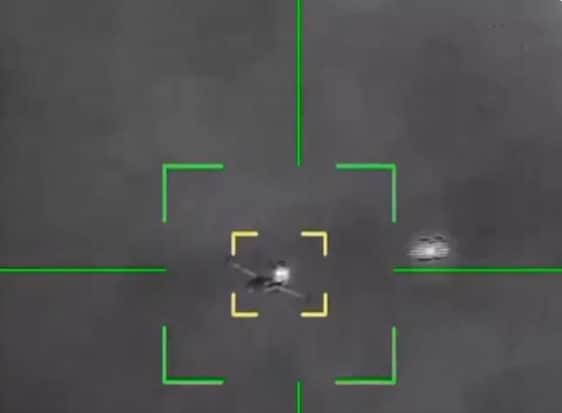
Source NDTV
New Delhi: In a major escalation of the ongoing conflict in the Middle East, Iran has reportedly shot down two United States military aircraft, marking one of the most significant aerial losses for the U.S. in over two decades. The incidents have raised serious questions about the effectiveness of American air superiority and highlighted Iran’s evolving air defence capabilities.
What Happened?
According to reports, a U.S. F-15E Strike Eagle fighter jet was shot down over Iranian territory during combat operations. One crew member was rescued, while another remains missing, triggering a high-risk search-and-rescue mission.
In a separate but related incident, a U.S. A-10 Warthog attack aircraft was also brought down near the Strait of Hormuz. The pilot managed to eject safely and was later rescued.
How Did Iran Do It?
Experts suggest that Iran likely used a combination of the following tactics and systems:
Advanced Surface-to-Air Missiles (SAMs):
Iran claims to have deployed newly developed air defence systems capable of targeting high-speed fighter jets.
Layered Air Defence Network:
Despite earlier strikes weakening its military, Iran appears to have retained a network of radar systems and missile batteries, allowing it to track and engage enemy aircraft effectively.
Portable Missile Systems (MANPADS):
Some reports indicate that shoulder-fired missiles may have been used, especially against lower-flying aircraft like the A-10.
Targeting During Vulnerable Missions:
The second aircraft was reportedly hit while assisting in a rescue mission, a moment when aircraft often fly lower and slower, making them easier targets.
Why This Matters
The downing of these jets is significant because:
It marks the first confirmed loss of U.S. crewed combat aircraft in this conflict.
It challenges U.S. claims of having full control over Iranian airspace.
It demonstrates that Iran still possesses operational and potentially advanced air defence capabilities despite sustained attacks.
Rising Tensions
The incidents have intensified tensions in the region, with ongoing rescue missions, continued airstrikes, and growing fears of further escalation. The situation remains volatile as both sides continue military operations and strategic posturing.
This development signals a turning point in the conflict, showing that even advanced air forces face serious risks in contested airspace.