
Source singularity Hub
April 4, 2026 — From the silent vacuum of deep space to the humming server racks of the world’s most powerful AI labs, this week marked a historic pivot in how humanity builds, explores, and works. As we wrap up the first week of April, these are the stories that defined the landscape of innovation.
1. NASA Returns Humanity to the Lunar Vicinity
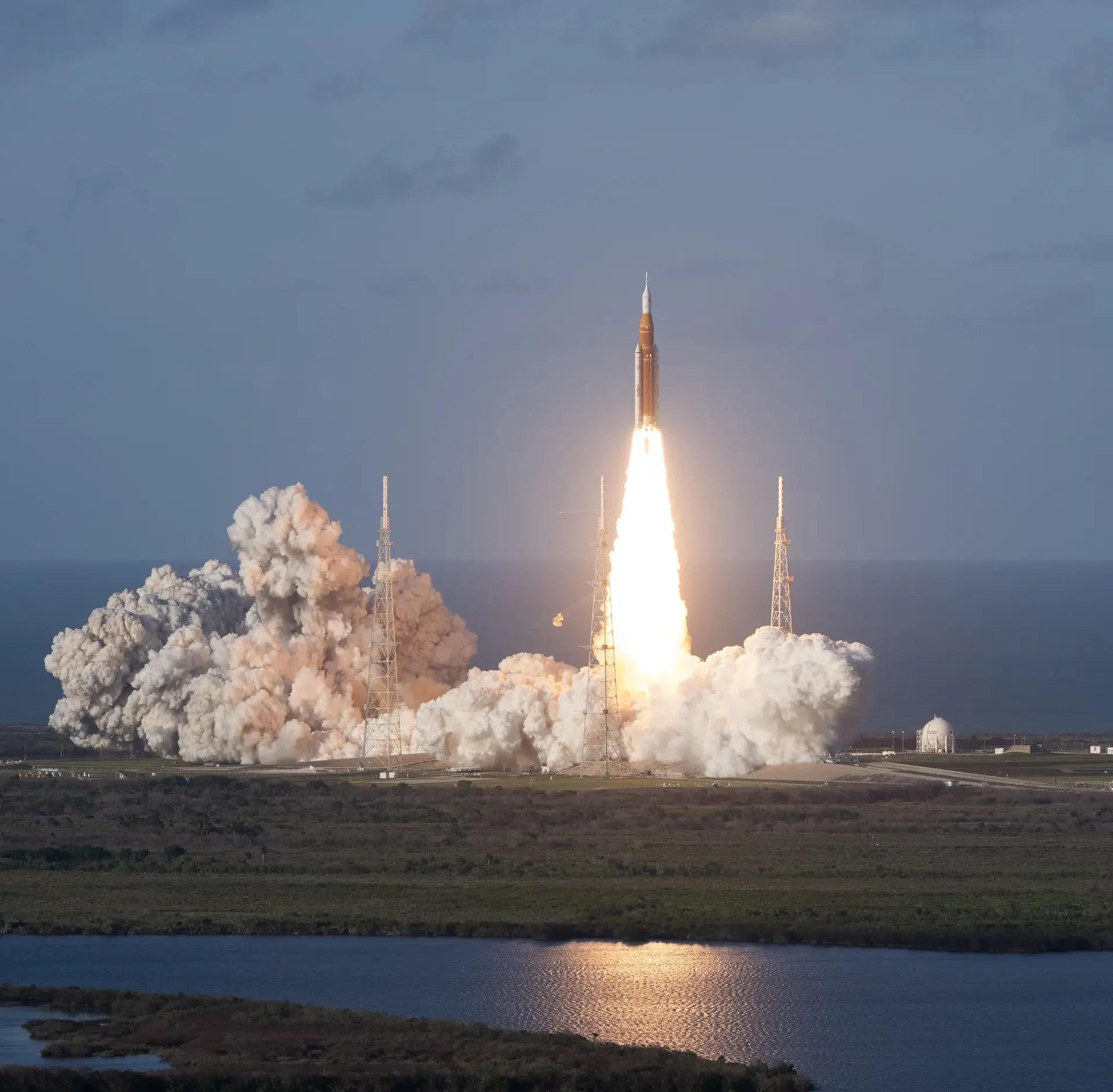
On April 1, 2026, the Artemis II mission successfully lifted off from Kennedy Space Center, ending a 50-year hiatus of crewed lunar exploration. Commander Reid Wiseman, along with Victor Glover, Christina Koch, and Jeremy Hansen, are currently aboard the Orion spacecraft, powered by the massive Space Launch System (SLS).
As of today, the crew is completing their outbound trajectory. While they won’t land on this 10-day mission, their lunar flyby is a critical stress test for the life-support systems that will eventually sustain the first permanent human colony on the Moon.
2. The AI “Co-worker” Era Officially Arrives
The software world shifted on its axis this week with two major releases:
Google Gemma 4: Google’s latest open-weight model has set new benchmarks for on-device reasoning, making “localized” AI faster and more secure for individual users.
Microsoft Copilot Cowork: Launched in public test phase, this tool—developed in tandem with Anthropic—represents a shift from “chatbots” to autonomous agents. Unlike previous versions, Cowork can independently manage email threads, coordinate schedules across different time zones, and synthesize data into presentations without a human prompt for every step.
3. The “₹1 Crore” Paradox: Oracle’s Brutal Efficiency Drive
In a sobering reminder of the industry’s volatility, Oracle initiated a massive global layoff this week, impacting over 30,000 employees globally, including 12,000 in India. The cuts were delivered via 6:00 AM emails, sparking a viral debate on social media about the “golden handcuffs” of high-paying tech jobs.
Industry analysts are calling this the “Efficiency Correction,” as companies pivot away from middle management and generalist roles toward lean teams specialized in hyperscale AI infrastructure.
4. Navigation Without the Stars: SPARC AI’s GPS-Denied Breakthrough
While GPS is a utility we take for granted, the military and logistics sectors have long feared its vulnerability to jamming. This week, SPARC AI showcased its Overwatch technology, which allows drones to navigate with pinpoint accuracy using only low-cost inertial sensors—no satellite signal required. By using AI to interpret spatial data the same way a human uses “gut feeling” and landmarks, this software-only solution removes the need for heavy, expensive hardware.
Tech at a Glance: The “By the Numbers” Summary
Milestone Detail
Artemis II Launch April 1, 2026
Oracle Layoffs 30,000+ jobs affected
AI Evolution Shift from Assistants to Autonomous Agents
Space Reach First humans near the Moon since 1972
“The theme of this week isn’t just progress; it’s precision. Whether it’s the precision of a lunar orbit or the precision of an AI agent managing your inbox, we are seeing the tools of the future move from ‘experimental’ to ‘essential’.”
What do you think is the biggest story of the week? Are you more excited about humans returning to the Moon, or more concerned about the rapid shift in the tech job market?









