Source TOI
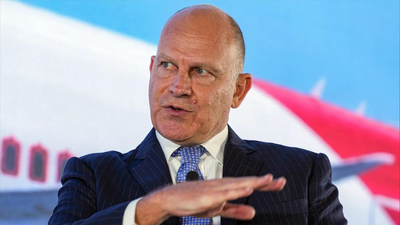
NEW DELHI – After three years at the helm of India’s flagship carrier, Air India CEO Campbell Wilson has announced his departure, marking a significant turning point for the airline’s massive transformation journey. While Wilson’s tenure was defined by the ambitious “Vihaan.AI” roadmap, insiders suggest a cocktail of mounting financial losses, persistent cost pressures, and integration friction ultimately accelerated his exit.
The Weight of the Ledger
Despite the backing of the Tata Group, Air India’s financial health remained a primary concern throughout Wilson’s leadership. The airline faced a grueling uphill battle to achieve profitability amidst a volatile global aviation market.
Unsustainable Losses: While revenues grew, the sheer cost of refurbishing an aging fleet and improving service standards kept the bottom line in the red.
Infrastructure Overhaul: The massive $70 billion order for 470 aircraft required capital commitments that placed immense pressure on short-term liquidity.
Operational Leaks: High fuel costs and legacy technical debt continued to drain resources faster than the new management could plug them.
Integration Hurdles and Cultural Friction
One of Wilson’s biggest mandates was the merger of Air India with Vistara and Air Asia India with Air India Express. This “mega-merger” proved to be more complex than anticipated.
The Vistara Transition: Merging the premium culture of Vistara with the legacy operations of Air India led to significant internal friction, including pilot strikes and scheduling disruptions that tarnished the brand’s “new era” image.
HR Challenges: Aligning pay scales and seniority lists across four different airlines created a morale crisis, leading to a series of high-profile resignations within the middle management.
A Legacy of Modernization
It wasn’t all turbulence. Wilson is credited with pulling Air India out of its decades-long stagnation. Under his watch, the airline:
Rebranded with a modern visual identity.
Digitized archaic booking and maintenance systems.
Expanded international footprints, reclaiming lost ground in North American and European markets.
“Campbell took on what was perhaps the toughest job in global aviation,” says an industry analyst. “He moved the needle, but the friction of merging two massive corporate cultures while bleeding cash is a task that eventually takes its toll.”
What Lies Ahead?
As Air India enters the final stages of its merger with Vistara, the Tata Group is expected to look for a successor who can pivot from expansion to consolidation. The next CEO will inherit a modernized fleet and a clearer roadmap, but the mandate will be singular: Stop the bleeding and turn a profit.
The departure of Wilson signals that while the “Vihaan.AI” transformation has a foundation, the flight to profitability remains at a precarious altitude.