Source Aljajeera
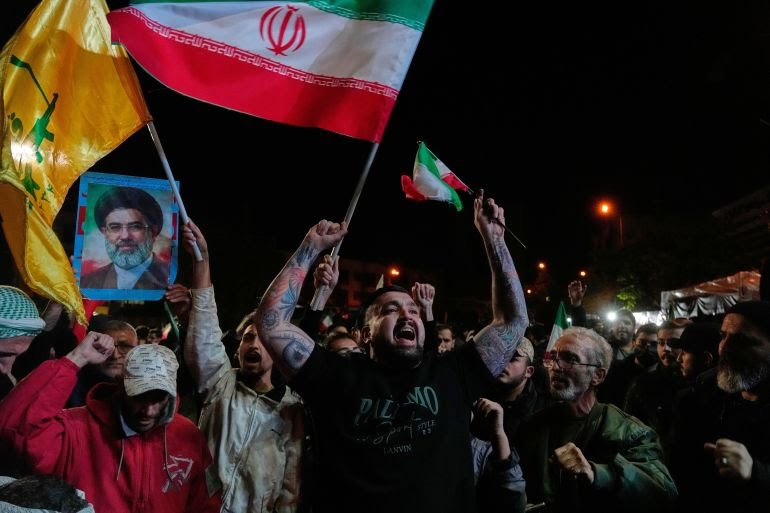
TEHRAN — The streets of the Iranian capital erupted in celebration on Wednesday as news spread of a two-week ceasefire between Iran and the United States. The deal, brokered through intense Pakistani mediation, marks the first significant de-escalation in a conflict that has pushed the region to the brink of total war over the last forty days.
Following the announcement, thousands of residents flooded Vali-e-Asr Square and surrounding districts, waving national flags and chanting slogans of relief. The atmosphere, once heavy with the threat of imminent bombardment, shifted to one of cautious optimism as the reality of the pause in hostilities set in.
The Terms of the Truce
The agreement comes just hours before a deadline set by U.S. President Donald Trump, who had threatened to expand military strikes to include Iran’s civilian infrastructure and “entire civilization.” Under the terms of the provisional truce:
Hostilities Paused: Both nations will suspend all direct military operations for a period of 14 days.
Strait of Hormuz Reopened: Iran has agreed to allow the “safe passage” of shipping traffic through the vital waterway, which has been under a partial blockade since late February.
Islamabad Summits: High-level negotiations are scheduled to begin this Friday in Islamabad, Pakistan, to discuss a long-term resolution.
A “Victory” for Diplomacy
In a statement released by the Supreme National Security Council (SNSC), Iranian officials characterized the ceasefire as a “historic victory,” claiming that the U.S. had been forced to consider Tehran’s 10-point peace plan. This plan reportedly includes demands for the lifting of all primary and secondary sanctions and the formal recognition of Iran’s right to uranium enrichment.
“Our patience and national unity have forced the enemy to step back from the edge of madness,” an SNSC spokesperson stated. “However, our fingers remain on the trigger. This is a pause for diplomacy, not a conclusion of our defense.”
Global Relief Amid Local Skepticism
The international community has widely welcomed the pause. Pakistan’s Prime Minister Shehbaz Sharif, a central figure in the mediation, urged both sides to use this two-week window to “turn a fragile silence into a lasting peace.”
However, the truce remains precarious. Israeli Foreign Minister Gideon Sa’ar expressed deep skepticism, noting that the ceasefire does not necessarily cover operations in Lebanon and that “significant gaps” remain between Washington and Tehran. Despite the celebrations in Tehran, the presence of military patrols remains visible, and many citizens, while jubilant, expressed a sense of “watchful waiting” as they looked toward Friday’s talks.