Source TOI
NEW DELHI – In an era where rising LPG prices are a common kitchen grievance, a new “Made-in-India” innovation is turning heads—not just for its technology, but for its staggering Rs 1,50,000 price tag. While a premium traditional gas stove might cost a fraction of that, this unit represents a fundamental shift in how we might cook in the future.
The Secret Behind the Price: Green Hydrogen
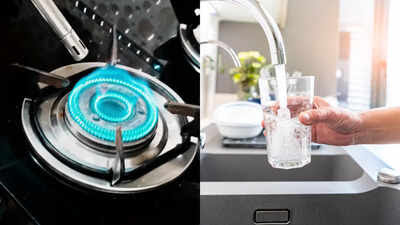
The appliance in question isn’t just a fancy stove; it is a Hydrogen-based cooking system developed by the Indian firm Greenvize. Unlike the standard burners that rely on LPG (Liquefied Petroleum Gas) cylinders, this stove extracts fuel from plain water.
The high cost is primarily attributed to the sophisticated technology integrated into the tabletop unit:
Built-in PEM Electrolyzer: The stove contains a Proton Exchange Membrane (PEM) electrolyzer. This component splits water molecules into hydrogen and oxygen on the spot.
No Cylinders Required: It eliminates the need for gas pipelines or bulky external tanks. You simply add 100 ml of water (RO or distilled) to get up to six hours of cooking time.
Catalytic Burners: It uses specialized burners designed for hydrogen’s unique combustion properties, allowing for a near-flameless, highly controlled heat.
Why It’s a Game Changer
Beyond the “cool factor” of cooking with water, the stove addresses several environmental and health concerns that traditional stoves cannot.
Feature Traditional LPG Stove Greenvize Hydrogen Stove
Fuel Source Fossil Fuel (Cylinders) Water + Electricity
Emissions Carbon Monoxide, CO_2 Zero (Only water vapor)
Safety Risk of gas leaks/explosions No stored flammable gas
Operation Visible flame, some noise Silent, near-flameless
Is it for the Average Home?
Currently, the Rs 1.5 lakh investment is not targeted at individual households. Experts note that the product is in its pilot phase, focusing on:
Community Kitchens: Where large-scale cooking makes the long-term fuel savings more viable.
Industrial Canteens: Facilities looking to meet “Net Zero” carbon mandates.
Government Clean-Energy Projects: Showcasing India’s self-reliance in green tech.
While the entry barrier is high, the “fuel” cost is remarkably low—requiring only about 1 kWh of electricity for half a day of cooking. As the technology scales and manufacturing costs drop, this water-powered marvel could eventually find its way from high-end labs to the common Indian countertop.