
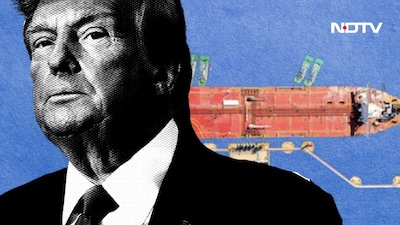
Source NDTV
TEHRAN / WASHINGTON — In a day of rapid-fire diplomatic shifts, Iran has officially declared the Strait of Hormuz “completely open” for commercial shipping, even as President Donald Trump maintains that a U.S. naval blockade on Iranian ports remains in “full force.”
The announcement from Tehran, delivered Friday by Foreign Minister Abbas Araghchi, marks a significant de-escalation in a weeks-long maritime crisis that had sent global oil prices into a tailspin. Iran’s “Hormuz Open” declaration coincides with a fragile 10-day ceasefire between Israel and Hezbollah, suggesting a broader regional attempt to pause hostilities.
A Fragile Opening
Minister Araghchi stated that all commercial vessels are now permitted passage through the world’s most vital energy artery. The reopening is reportedly being managed through a “coordinated route” established by Iran’s Ports and Maritime Organization.
“In line with the ceasefire in Lebanon, the passage for all commercial vessels through the Strait of Hormuz is declared completely open for the remaining period of the ceasefire,” Araghchi posted on social media.
While the move was initially met with a celebratory response from President Trump—who thanked Iran for the opening—the tone from the White House shifted quickly to one of continued pressure.
The “Full Force” Blockade
Despite the reopening of the Strait to international traffic, President Trump clarified that the U.S. military operation against Iranian interests has not ended. The U.S. naval blockade, which began on April 13 following the collapse of talks in Islamabad, continues to target vessels entering or leaving Iranian ports.
Objective: To force a “100% complete transaction” regarding Iran’s nuclear program and regional activities.
Economic Impact: The blockade is estimated to be costing Tehran roughly $400 million per day in lost revenue.
Scope: Over 10,000 U.S. personnel and more than a dozen warships remain stationed in the Persian Gulf to enforce the measures.
“The U.S. blockade on Iranian ships and ports will remain in full force until a final deal is reached,” Trump stated, emphasizing that while the Strait may be open for the world, the door remains shut for Iranian commerce.
Market Reactions
The news of the reopening brought immediate relief to global energy markets. Crude oil prices tumbled 10% in the hours following the announcement, dropping below $100 a barrel for the first time since the blockade began. Analysts suggest that while the physical opening of the Strait eases supply chain fears, the “double blockade” scenario—where Iran allows passage but the U.S. stops Iranian exports—keeps the geopolitical risk premium high.
What’s Next?
The current U.S.-Iran truce is set to expire on April 22. Diplomatic sources indicate that while the Lebanon ceasefire has provided a “window of opportunity,” the fundamental disagreements over Iran’s nuclear enrichment levels remain unresolved.
For now, the world’s tankers are moving again, but the shadow of U.S. warships ensures that the crisis is far from over.









