
Source investing in
Global oil prices plunged sharply on Friday, dropping by as much as 13% after Iran announced that the strategically vital Strait of Hormuz would remain open for commercial shipping, signaling a potential easing of supply disruptions in global energy markets.
The sharp decline came as part of a broader market reaction to improving geopolitical conditions in the Middle East. Iran’s declaration followed developments linked to easing regional tensions, raising hopes that one of the world’s most critical oil transit routes will remain accessible.
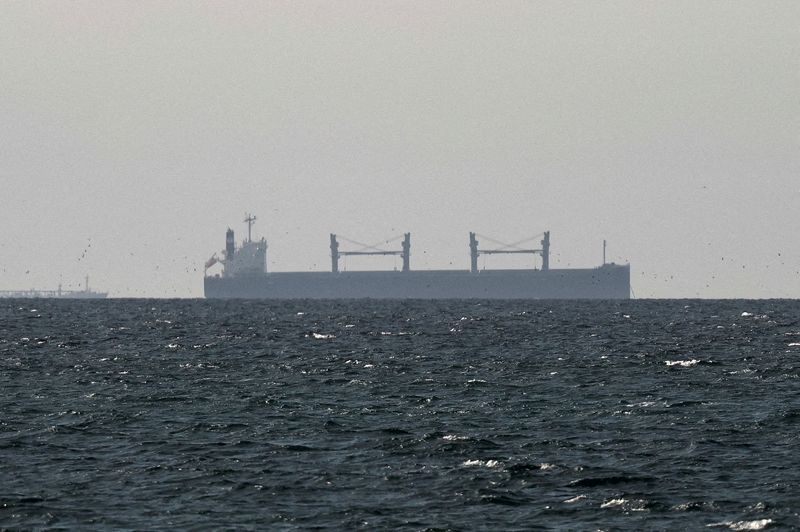
Brent crude, the international benchmark, fell to its lowest levels in over a month, while U.S. West Texas Intermediate crude also recorded significant losses. The Strait of Hormuz, through which nearly a quarter of the world’s seaborne oil passes, had been under threat amid escalating conflict, pushing prices higher in recent weeks.
Market sentiment improved rapidly as traders responded to expectations of smoother oil flows and reduced risk premiums. Analysts noted that the reopening of the strait could ease inflationary pressures globally by stabilizing fuel prices and improving supply chains.
The announcement also triggered a rally in global equity markets, with major indices surging on optimism that lower energy costs would support economic growth. Airline and travel stocks were among the biggest gainers, benefiting from the prospect of cheaper fuel.
However, uncertainty persists despite the positive developments. A continued military presence in the region and cautious shipping activity indicate that risks have not fully subsided. Experts warn that any renewed tensions could quickly reverse the gains seen in oil markets.
While the reopening of the Strait of Hormuz marks a significant step toward stabilizing global energy supplies, analysts emphasize that long-term market stability will depend on sustained diplomatic progress in the region.









