Source India Today
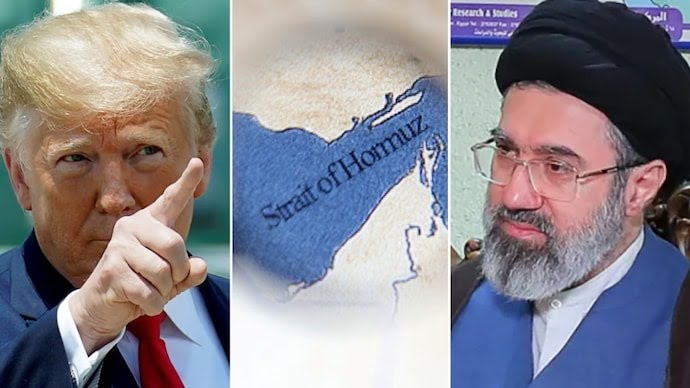
Tensions between the United States and Iran have intensified after Tehran accused former U.S. President Donald Trump of spreading misinformation about the status of the Strait of Hormuz, while warning that the key maritime route could be closed again.
Iran’s Parliament Speaker Mohammad Bagher Ghalibaf sharply criticized Trump, claiming he made “seven claims in one hour, all of them false.” The remarks followed Trump’s public statements suggesting that the Strait of Hormuz was fully open and that progress in negotiations with Iran was underway.
Tehran dismissed these assertions, stating that maritime traffic through the strait remains under strict monitoring and control. Iranian officials emphasized that any suggestion of unrestricted passage or finalized agreements is inaccurate and misleading.
The dispute comes amid an already fragile regional situation. Iran has warned that if ongoing U.S. military pressure and naval restrictions continue, it may once again shut down the Strait of Hormuz—a critical global shipping lane through which a significant portion of the world’s oil supply passes.
Recent developments indicate a rapidly evolving crisis. After a brief reopening, Iran has hinted at restricting access again in response to continued tensions, raising concerns about disruptions in global energy markets.
Meanwhile, Washington has maintained its position, signaling that pressure on Tehran will continue until broader strategic objectives are achieved. The contrasting narratives from both sides have heightened uncertainty, with global markets and international observers closely watching the situation.
As diplomatic efforts remain uncertain, the Strait of Hormuz continues to be a focal point of geopolitical friction, with any escalation likely to have far-reaching economic and security consequences.