
Source The Wion news
New Delhi: India has issued a stern warning to Iran following a recent incident in which two Indian-linked oil tankers were fired upon while navigating the strategically vital Strait of Hormuz, escalating tensions in an already volatile region.
According to official sources, the vessels came under fire from Iranian forces during heightened military activity in the area. While no casualties were reported, one of the tankers sustained minor damage, including shattered cabin glass, prompting serious concern from Indian authorities.
In response, India conveyed its strong displeasure to Tehran through diplomatic channels, making it clear that such actions against commercial shipping are unacceptable and could lead to consequences. The Ministry of External Affairs also summoned the Iranian envoy to register a formal protest over the incident.
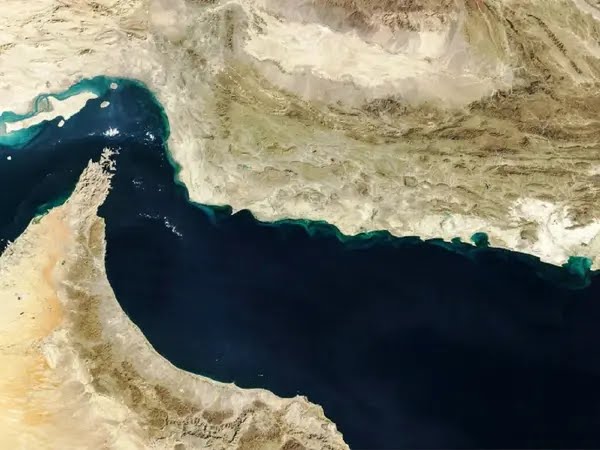
The Strait of Hormuz, a narrow but crucial maritime corridor between Iran and Oman, handles a significant share of the world’s oil supply. Any disruption in this region has immediate global implications, particularly for energy-importing nations like India.
Reports indicate that at least two vessels—identified as Indian-linked tankers—were forced to change course after Iranian naval units issued warnings and opened fire. The aggressive posture is believed to be linked to ongoing geopolitical tensions involving Iran, the United States, and its allies, with Tehran reportedly attempting to assert control over shipping movements in the area.
Despite the incident, Indian officials confirmed that all crew members aboard the affected vessels are safe. However, the episode has raised fresh concerns over the safety of maritime trade routes and the security of Indian shipping interests in the Gulf region.
Meanwhile, Iran has sought to downplay the situation diplomatically, emphasizing its continued commitment to maintaining strong bilateral relations with India even as military actions in the region intensify.
The incident marks another flashpoint in the ongoing crisis around the Strait of Hormuz, with global powers closely monitoring developments that could impact international trade and energy markets.









