Source extreme tech
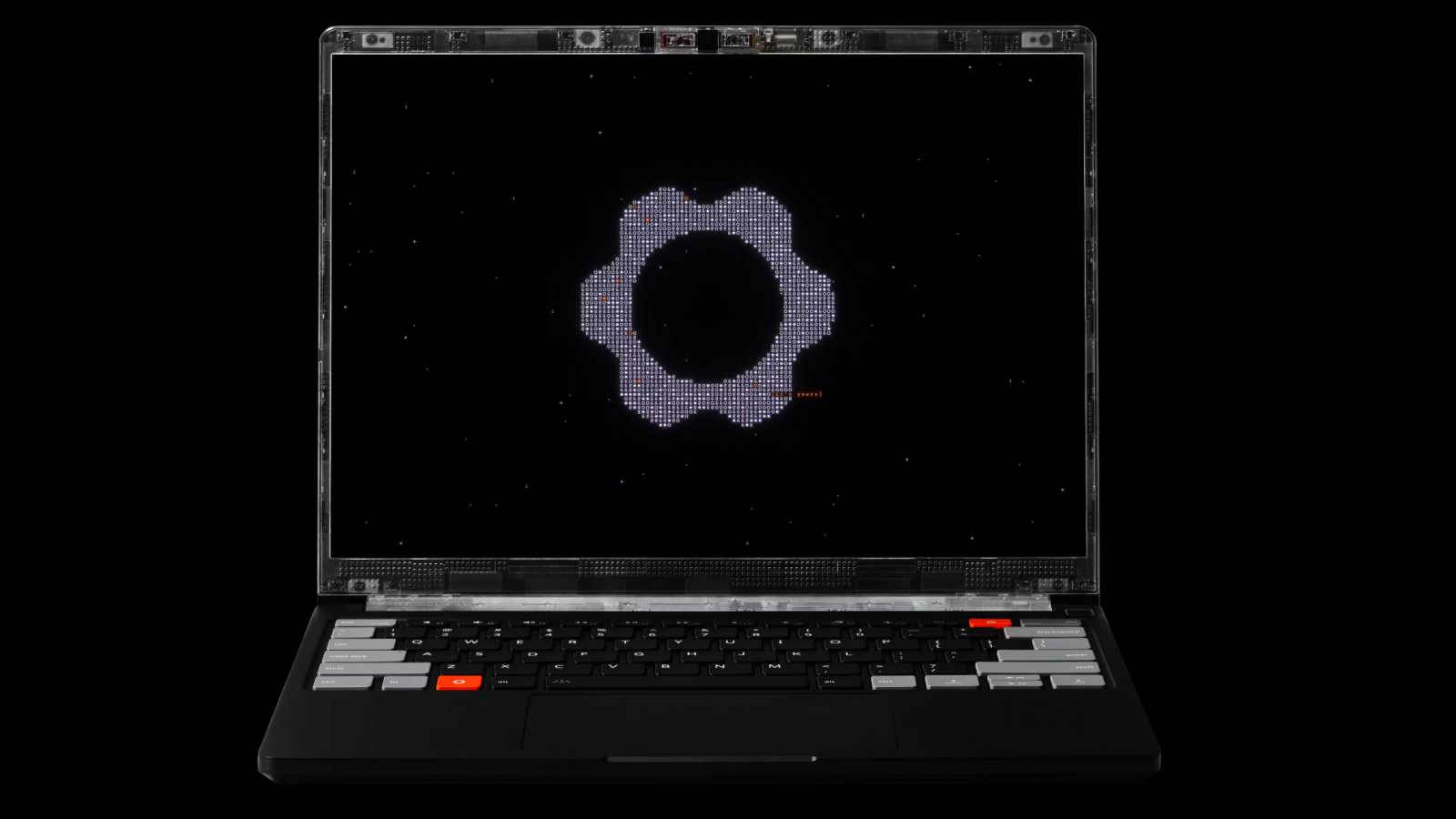
In a move set to excite open-source enthusiasts and right-to-repair advocates, Framework has introduced its latest device, the Laptop 13 Pro, designed with a Linux-first approach and an emphasis on unparalleled repairability.
The new Laptop 13 Pro builds on the company’s core philosophy of modular computing, allowing users to easily replace or upgrade nearly every component. From the keyboard and display to the motherboard and ports, the device is engineered to be disassembled with minimal tools, making repairs accessible even to non-experts.
Unlike many mainstream laptops that prioritize sleekness over serviceability, Framework’s latest offering strikes a balance between performance and sustainability. The Laptop 13 Pro supports multiple Linux distributions out of the box, with optimized drivers and official support aimed at delivering a seamless experience for developers and tech enthusiasts.
The company has also introduced upgraded internals, including the latest generation processors, improved battery efficiency, and enhanced thermal management. Despite these performance gains, the modular structure remains intact, ensuring that users can extend the lifespan of their device instead of replacing it entirely.
A key highlight is the customizable expansion card system, which allows users to swap ports such as USB-C, HDMI, microSD, or storage modules based on their needs. This flexibility eliminates the need for dongles while keeping the device adaptable to different workflows.
Framework continues to position itself as a leader in sustainable technology, addressing growing concerns about electronic waste. By empowering users to repair and upgrade their own devices, the company aims to challenge traditional laptop manufacturing practices.
With the launch of the Laptop 13 Pro, Framework reinforces its commitment to open ecosystems, user control, and long-term usability—an approach that could influence the broader industry as demand for repairable and eco-friendly devices continues to rise.