Source The Hindu
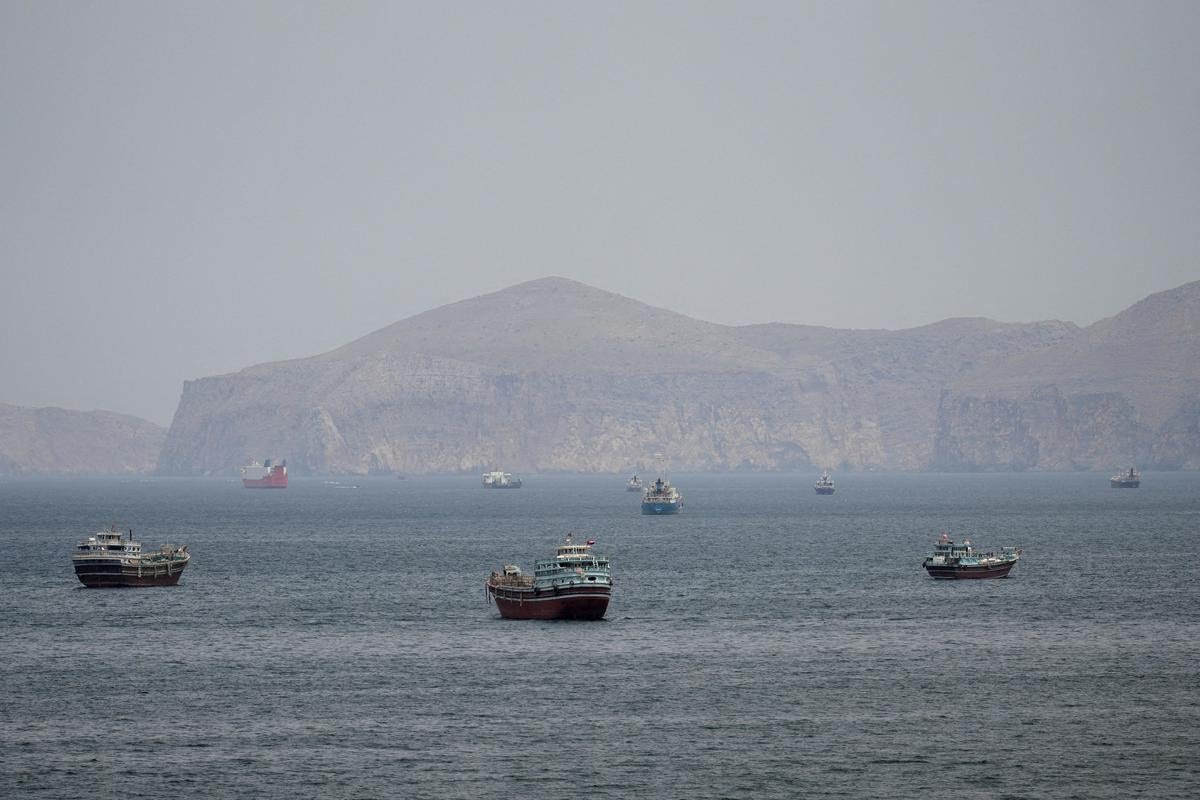
Tensions in the Middle East have sharply escalated after U.S. President Donald Trump ordered the United States Navy to use lethal force against any vessels suspected of laying mines in the Strait of Hormuz.
In a strongly worded statement posted on social media, Trump directed U.S. forces to “shoot and kill” any small boats engaged in mining operations, emphasizing that there should be no hesitation in carrying out the order.
The directive comes amid rising hostilities between the United States and Iran, despite a fragile ceasefire that had been in place earlier this month. U.S. officials have accused Iranian-linked forces of deploying naval mines and targeting commercial shipping in the narrow waterway, a key global oil transit route through which a significant portion of the world’s energy supplies passes.
Alongside the use-of-force order, Trump confirmed that American mine-clearing operations in the region are being intensified, with activity reportedly increasing to ensure safe passage for international shipping.
Recent incidents have further heightened tensions. Iranian forces have reportedly seized multiple vessels and fired upon others in the region, while the U.S. has intercepted ships linked to Iranian oil transport. These developments have strained diplomatic efforts and raised concerns about a broader military confrontation.
The escalating standoff has already begun to impact global markets, with oil prices rising amid fears of prolonged disruption in the vital maritime corridor. Analysts warn that any further military escalation in the Strait of Hormuz could have far-reaching consequences for global trade and energy security.
As both sides continue to adopt aggressive postures, the international community remains on edge, closely monitoring whether the crisis will escalate into open conflict or return to diplomatic negotiations.