Source The Hindu
A tentative breakthrough in the ongoing tensions between the United States and Iran has emerged, with both sides reportedly agreeing to extend their current ceasefire by 60 days. However, the proposed deal remains uncertain as it awaits final approval from U.S. President Donald Trump.
According to officials familiar with the negotiations, the agreement takes the form of a memorandum of understanding (MOU) that aims not only to prolong the fragile truce but also to create space for renewed diplomatic engagement, particularly over Iran’s nuclear program.
The proposed extension includes several key provisions. These reportedly involve ensuring safe and unrestricted maritime passage through the strategically critical Strait of Hormuz, along with commitments to begin discussions on sanctions relief and the management of Iran’s highly enriched uranium stockpile.
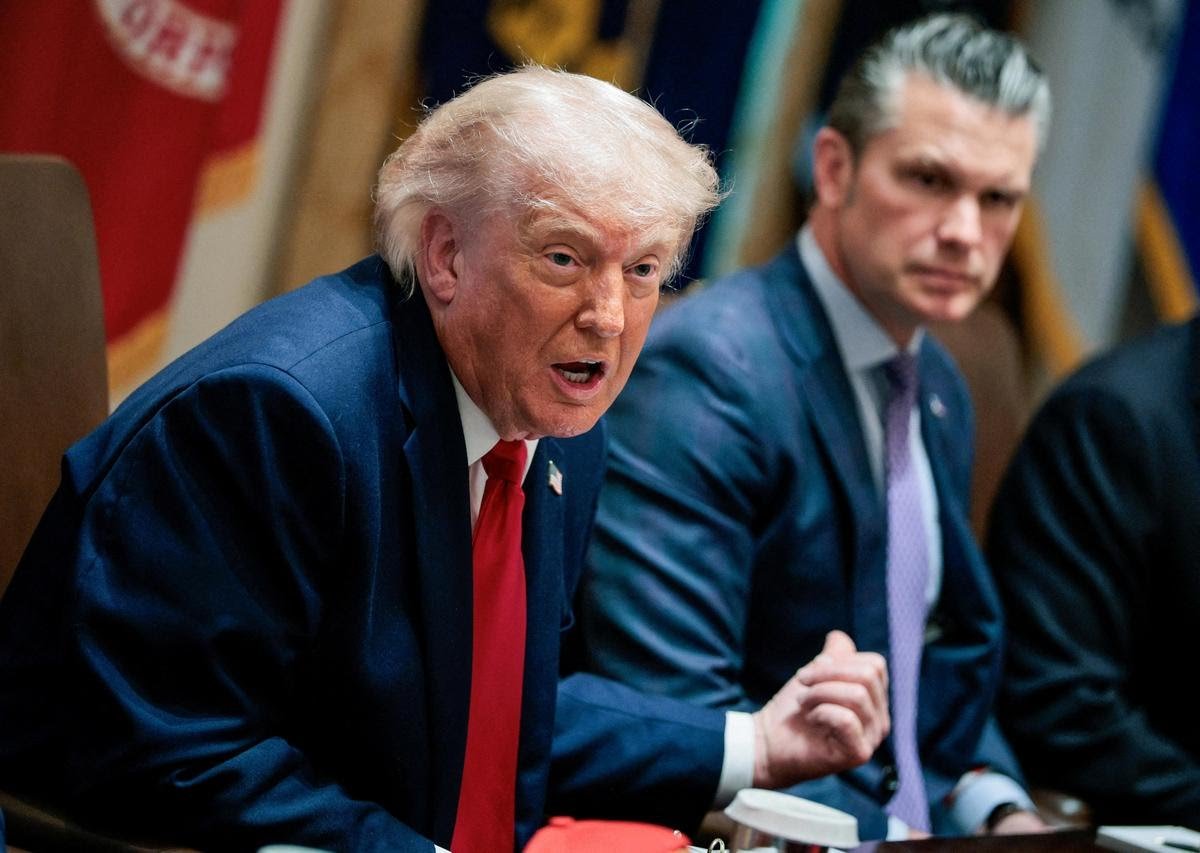
Despite these developments, the situation remains fluid. U.S. officials have emphasized that while a general framework has been agreed upon, the deal cannot move forward without Trump’s endorsement. Iran’s leadership has also yet to formally confirm its acceptance of the terms.
The ceasefire, initially expected to last only a few weeks, has already stretched into several months amid intermittent tensions and sporadic incidents in the region. Recent reports indicate that minor clashes have continued, underscoring the fragility of the truce even as negotiations progress.
Political pressure is mounting on the U.S. President from multiple fronts. Within his own political camp, hardliners are urging a tougher stance on Iran’s nuclear ambitions, while economic concerns—such as rising fuel prices—are increasing public demand for stability in the region.
Meanwhile, regional tensions remain high. Reports of military activity and sharp rhetoric from both sides highlight the challenges facing negotiators. The success of the proposed 60-day extension could prove critical in determining whether the conflict moves toward a more permanent resolution or slips back into escalation.
For now, the fate of the ceasefire extension hinges on a single decision in Washington, leaving the international community watching closely for the next move