Source The telegraph India
DHAKA / NEW DELHI — Tensions are flaring along the India-Bangladesh border as Dhaka steps up vigilance and issues sharp warnings against unilateral cross-border “push-ins” of undocumented immigrants. The escalation follows hardline rhetoric from Indian regional leaders and aggressive state-level identification drives that have drawn immense judicial and human rights scrutiny.
Dhaka Puts Troops on Alert
The interim and newly formed governments in Bangladesh have adopted a zero-tolerance stance toward informal deportations. Bangladesh Foreign Minister Khalilur Rahman and Home Minister Salahuddin Ahmed jointly announced that the nation has placed its border guards on high alert to thwart any extrajudicial expulsions from the Indian side.
Dhaka has vehemently protested statements made by regional Indian politicians, including Assam Chief Minister Himanta Biswa Sarma and West Bengal political figures, who have advocated for pushing undocumented individuals back across the porous land boundary without utilizing formal bilateral channels.
The Bangladesh Foreign Office recently summoned India’s envoy to lodge a formal protest, asserting that any repatriation must go through standard, official nationality verification processes rather than forced nighttime pushbacks.
“Our policy is clear: all illegal foreign nationals must be repatriated as per established bilateral arrangements. This requires mutual cooperation, not unilateral actions.”
— Randhir Jaiswal, India’s Ministry of External Affairs (MEA) Spokesperso
The Trigger: ‘Special Intensive Revision’ and Local Crackdowns
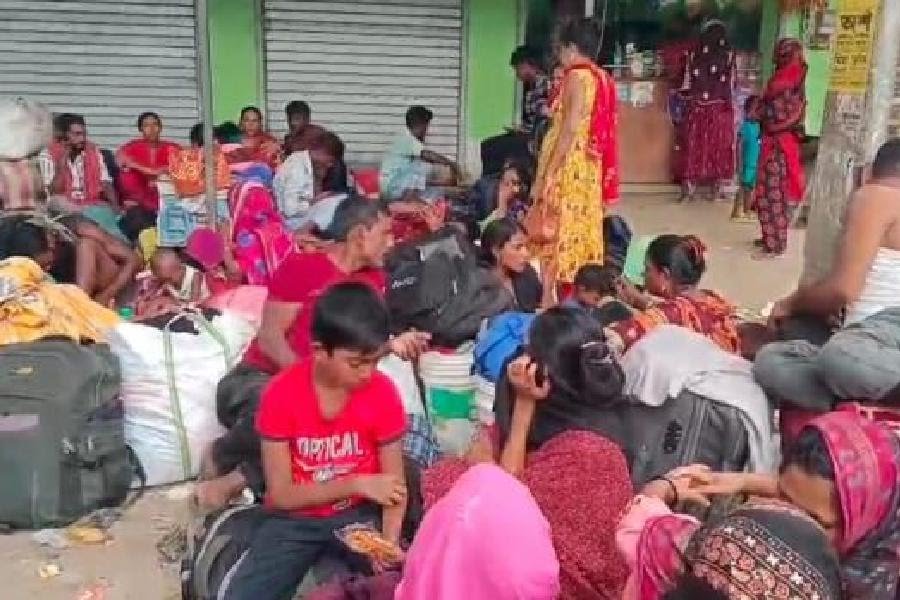
The sudden movement of people toward the border checkposts stems from a massive administrative and police crackdown within India. Under the Election Commission of India’s “Special Intensive Revision” (SIR) program, authorities have launched door-to-door verification drives to purge foreign nationals from electoral rolls.
Driver of Border Strain Impact on Migrant Populations
Special Intensive Revision (SIR) Door-to-door verification has triggered panic among Bengali-speaking laborers, causing hundreds to flee toward border areas like the Hakimpur checkpost.
State Police Raids Widespread roundups in states like Odisha and Chhattisgarh have targeted daily-wage workers, masons, and ragpickers.
Document Disregard Activists report that local police are frequently refusing to accept valid Indian identity cards like Aadhaar or voter IDs, demanding hard-to-obtain legacy birth certificates instead.
Cop Scrutiny and Legal Backlash
The aggressive tactics employed by local police forces have drawn sharp rebukes from Indian courts and civil society. The Calcutta High Court issued a pointed warning to state and central authorities regarding the legality of these sudden sweeps.
Human rights groups allege that police profiling has led to the wrongful detention of genuine Indian citizens—primarily Bengali-speaking Muslims—based merely on linguistic profiling or having Bangladeshi phone contacts. In response to the overreach, the West Bengal government has taken a proactive stance, initiating verification checks on hundreds of interstate detention cases to protect legally documented residents from being swept up in the panic.
While India’s Border Security Force (BSF) continues biometric screening and formal processing at designated checkpoints, the Ministry of External Affairs has urged Dhaka to speed up the nationality verification of over 2,800 identified individuals currently in legal limbo. However, with border guards on both sides dug in, the risk of humanitarian friction remains critical.
Additional Coverage
For a deeper visual understanding of the physical impact at the border checkpoints and the escalating diplomatic row between New Delhi and Dhaka, watch this detailed report on Bangladesh’s Border Vigilance and Forced Crossing Allegations. This broadcast outlines the intensified patrols launched by Dhaka and the rising friction between the two neighbors.