
Source NDTV
As the global spotlight intensifies on artificial intelligence (AI), a parallel competition is quietly shaping the future of technology—control over critical minerals. At the center of this race stands China, which has established a commanding position in the supply and processing of key resources essential for advanced technologies.
Critical minerals such as lithium, cobalt, rare earth elements, and graphite are indispensable for manufacturing semiconductors, batteries, and other components that power AI systems, electric vehicles, and renewable energy infrastructure. While countries like the United States and members of the European Union are investing heavily in AI development, their dependence on external sources for these minerals has raised strategic concerns.
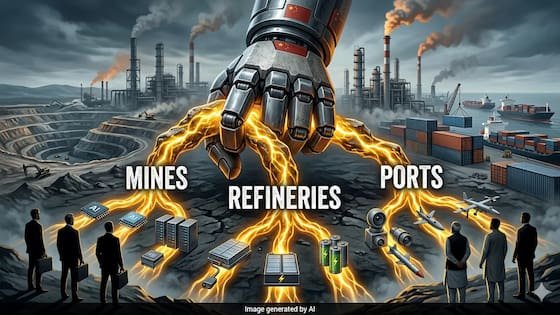
China currently dominates the global supply chain, not only in mining but more importantly in refining and processing capabilities. It controls a significant share of rare earth production and has built an extensive industrial ecosystem that gives it leverage over downstream industries worldwide.
Experts warn that this imbalance could influence geopolitical dynamics, as access to these materials becomes increasingly tied to national security and economic competitiveness. In response, several nations are attempting to diversify supply chains, invest in domestic mining projects, and form international partnerships to reduce reliance on Chinese exports.
India, too, has begun exploring its own reserves and strengthening ties with mineral-rich countries to secure long-term supply. However, building infrastructure and achieving self-sufficiency in this sector remains a complex and time-consuming process.
As AI continues to reshape industries and economies, the importance of critical minerals cannot be overstated. The race for technological supremacy may ultimately hinge not just on innovation, but on who controls the raw materials that make it possible.









