In a significant development in the ongoing West Asia conflict, U.S. President Donald Trump announced that he has cancelled planned military strikes on Iran, raising hopes for a possible diplomatic agreement to ease escalating tensions in the region.
The decision comes amid continued hostilities between the United States and Iran, with both sides having exchanged air and missile strikes in recent days. Despite the intensifying conflict, Trump indicated that backchannel communications and negotiations have reached a critical stage, suggesting that a deal may be within reach.
According to officials, the planned strikes were called off just hours after the U.S. had warned of a potential escalation targeting key Iranian infrastructure. Trump’s move is being viewed as an attempt to create space for diplomacy while maintaining military pressure on Tehran.
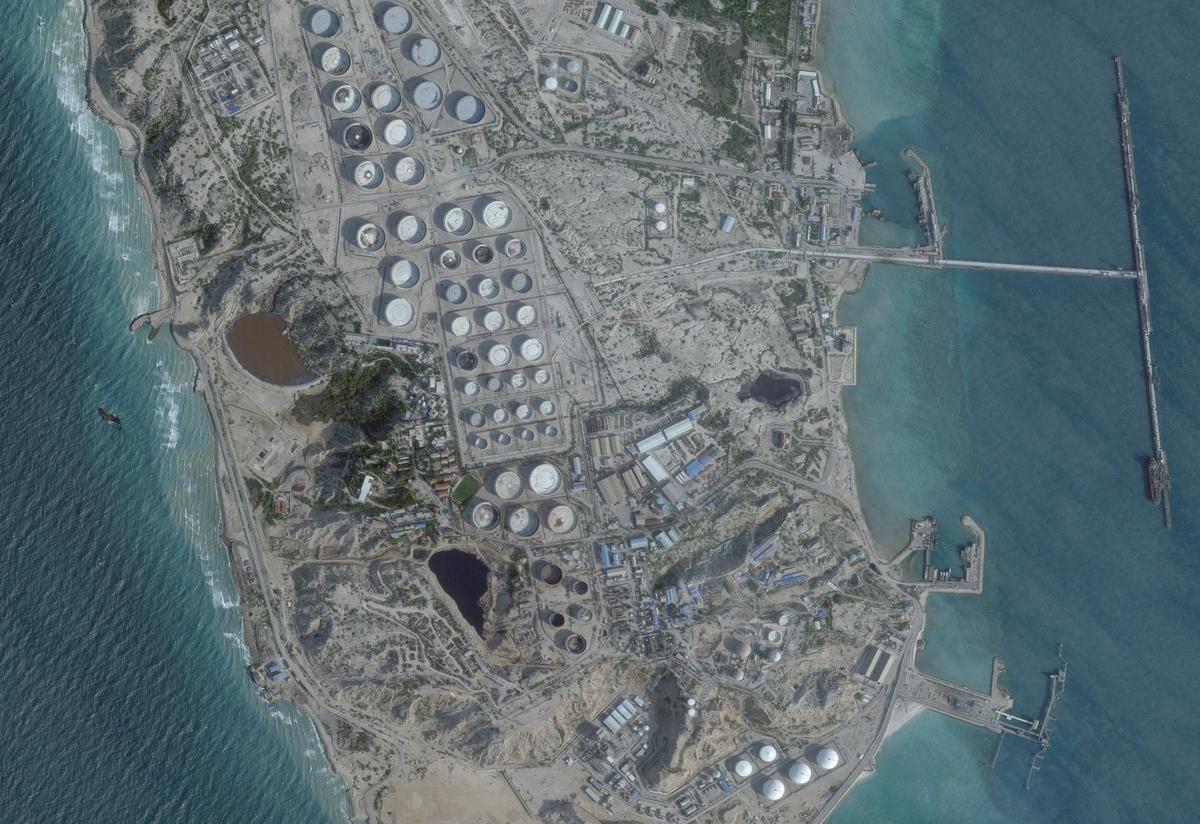
The conflict, which has involved not only the U.S. and Iran but also regional actors, has raised fears of a broader war in West Asia. Strategic locations such as the Strait of Hormuz and Iran’s key oil export facilities remain at the center of the crisis, with global markets closely monitoring developments.
Meanwhile, U.S. defense officials have indicated that earlier military actions were intended to strengthen Washington’s negotiating position rather than trigger a full-scale war. However, Iran has warned that continued military pressure could undermine any chances of meaningful dialogue.
Analysts say the situation remains highly volatile, with diplomacy and military strategy unfolding simultaneously. While Trump has expressed optimism about reaching an agreement, there has been no official confirmation from Iranian leadership regarding the progress of talks.
As tensions persist, the international community continues to urge restraint, warning that further escalation could have severe geopolitical and economic consequences worldwide.