
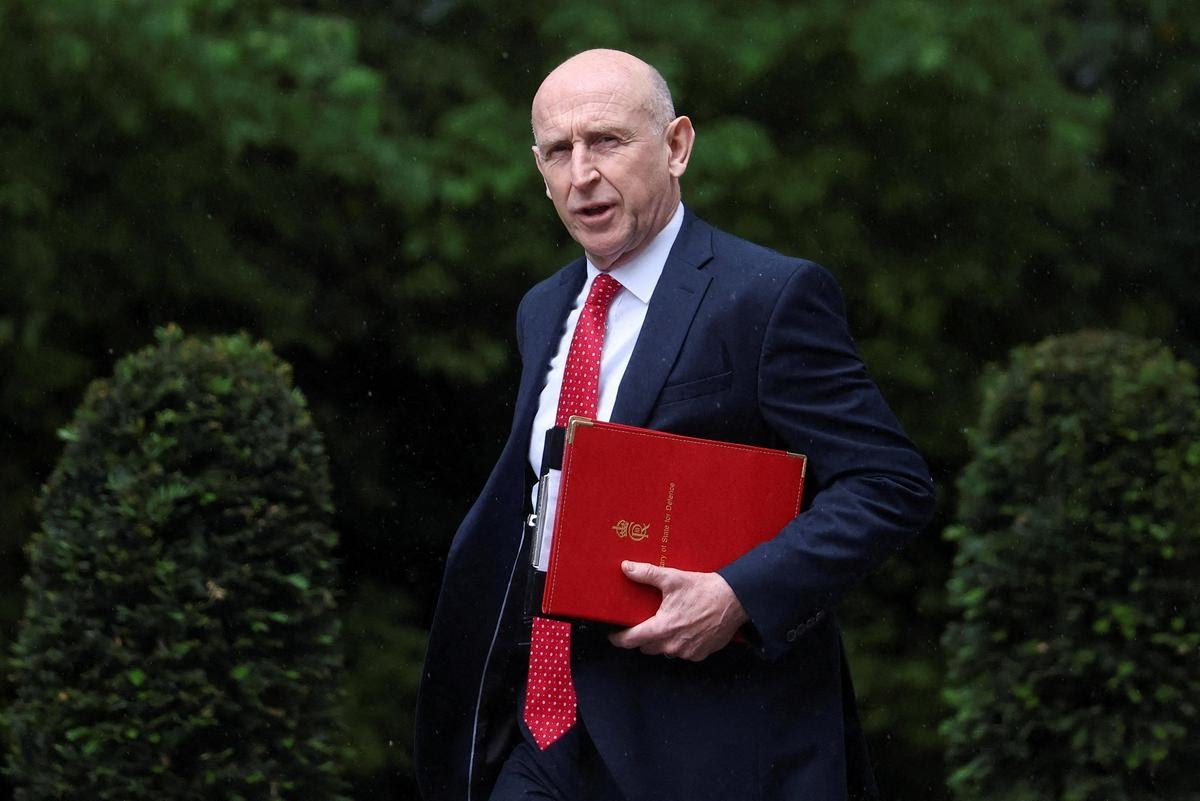
Source The Hindu
In a significant development for the United Kingdom’s defence establishment, Defence Secretary John Healey has resigned from his position, citing concerns over inadequate military funding. The unexpected move has sparked debate within political and security circles, raising questions about the government’s commitment to national defence.
According to officials familiar with the matter, Healey had been increasingly frustrated with what he viewed as insufficient budget allocations to meet the evolving security challenges facing the UK. With rising geopolitical tensions and growing demands on the armed forces, he reportedly believed that current funding levels were not enough to sustain operational readiness or long-term strategic goals.
In his resignation statement, Healey emphasized the importance of robust defence investment, warning that underfunding could weaken the country’s military capabilities. He expressed gratitude for the opportunity to serve but underscored that stepping down was necessary to draw attention to the issue.
The resignation comes at a time when defence spending is under intense scrutiny. The UK government has been balancing multiple economic pressures, including inflation and public service demands, which have constrained budget decisions. Critics, however, argue that national security should remain a top priority regardless of fiscal challenges.
Political reactions have been swift, with opposition leaders calling the resignation a “wake-up call” for the government. They have urged immediate reassessment of defence funding policies to ensure that the armed forces are adequately equipped and prepared.
Meanwhile, government representatives have acknowledged Healey’s concerns but defended their approach, stating that defence spending remains substantial and aligned with strategic priorities. They also indicated that a successor would be appointed soon to ensure continuity in leadership.
Healey’s departure marks a pivotal moment for the UK’s defence policy, potentially triggering broader discussions about military investment and national security strategy in the months ahead.









