Source Aljajeera
In a significant diplomatic development, the United States and Iran have reached a tentative agreement aimed at ending months of intense conflict, prompting a wave of reactions from governments and international organizations across the globe.
The preliminary deal, expected to be formally signed in the coming days, outlines an immediate cessation of hostilities and the reopening of the strategically vital Strait of Hormuz, a key route for global oil shipments. The agreement also includes a 60-day negotiation window to address critical issues such as Iran’s nuclear program and economic sanctions.
World leaders have largely responded with cautious optimism. The United Nations described the agreement as a “critical step” toward peace, urging both nations to act in good faith and ensure swift implementation. Human rights officials also emphasized the need for restraint and accountability, particularly in conflict-affected areas like Lebanon.
European powers, including France, the United Kingdom, and Germany, welcomed the breakthrough and signaled readiness to support the peace process. Many have indicated a willingness to ease sanctions on Iran, provided there is verifiable progress on nuclear commitments.
China and other global stakeholders also expressed support, highlighting the agreement’s potential to stabilize energy markets and reduce geopolitical tensions. The reopening of the Strait of Hormuz alone is expected to have far-reaching economic implications, as it handles a significant portion of the world’s oil supply.
However, not all reactions have been uniformly positive. Israel has raised objections, particularly regarding provisions tied to Lebanon, and has resisted calls to withdraw from certain contested areas. This stance has introduced uncertainty into the deal’s implementation and raised concerns about its long-term viability.
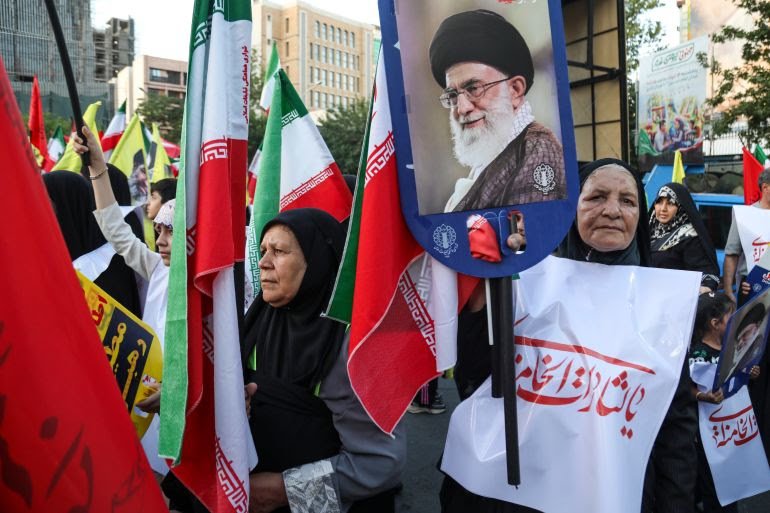
Within Iran, the response has been mixed. While officials have acknowledged the agreement, hardline factions have criticized the terms, leading to internal political tensions and public debate over the country’s strategic direction.
Despite lingering challenges, the tentative agreement marks a pivotal moment in a conflict that has had wide-ranging humanitarian and economic consequences. Analysts note that while the deal offers a path toward de-escalation, its success will depend on sustained diplomatic engagement and the willingness of all parties to compromise.
As the world watches closely, the coming weeks are expected to determine whether this fragile breakthrough can evolve into a lasting peace.