
Source investing.in
Global oil prices tumbled to a three-month low on Monday following a major diplomatic breakthrough between the United States and Iran, raising expectations of improved crude supply and reduced geopolitical risk in energy markets.
Benchmark Brent crude fell by more than 4% to around $83 per barrel, while U.S. West Texas Intermediate (WTI) dropped close to $80, marking their lowest levels since March. The sharp decline comes after both nations signaled an initial agreement to end months of conflict and reopen the strategically vital Strait of Hormuz.
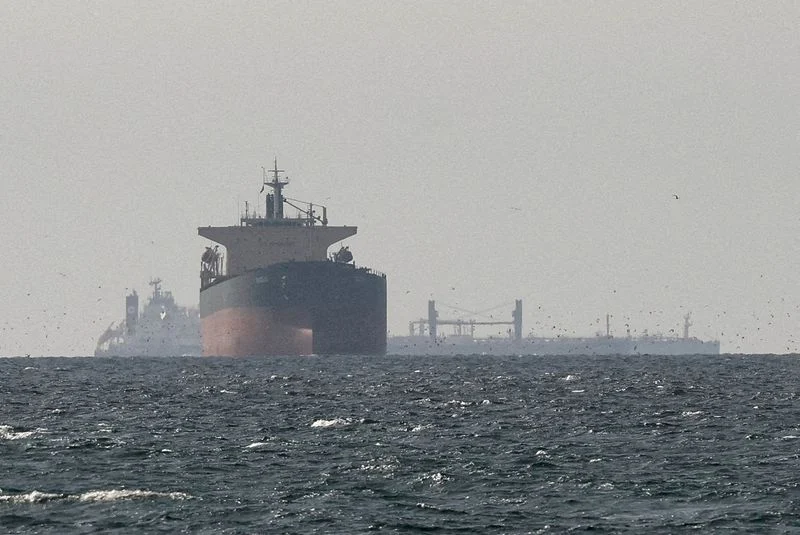
The Strait of Hormuz, through which nearly a fifth of the world’s oil supply passes, had been severely disrupted during the conflict, triggering price spikes and global energy concerns. The new agreement is expected to restore tanker movement and ease supply bottlenecks, although analysts caution that full normalization could take weeks or even months.
The deal, expected to be formally signed in Switzerland, includes provisions to resume maritime traffic and lift restrictions that had choked oil exports from the region. Markets reacted swiftly, with traders unwinding the “war premium” that had been built into crude prices during the crisis.
Despite the optimism, experts warn that challenges remain. Infrastructure damage, logistical delays, and cautious shipping activity may slow the return to pre-conflict supply levels. Some analysts also note that global oil inventories remain tight after months of disruption, which could limit further price declines in the near term.
The agreement also opens the door for broader negotiations, including discussions on sanctions relief and Iran’s nuclear program, under a proposed 60-day diplomatic window.
For now, the easing of tensions has brought relief to global markets, lowering inflationary pressures and boosting confidence across financial sectors. However, the pace of recovery in oil flows through the Strait of Hormuz will be the key factor shaping price trends in the coming months.









