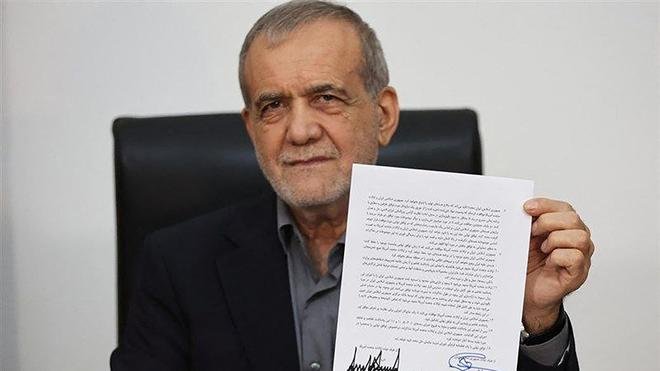
Geneva/Bürgenstock, June 18: In a significant diplomatic breakthrough, Iran and the United States are set to hold high-level talks in Switzerland on June 19, following the signing of a landmark Memorandum of Understanding (MoU) aimed at easing long-standing tensions between the two nations.
The discussions, expected to take place at the Bürgenstock resort in central Switzerland, will mark the first round of direct engagement after both sides agreed on a framework to end hostilities and restore stability in the region. Swiss authorities have confirmed their role as facilitators, providing neutral ground for the negotiations.
The MoU, reportedly comprising multiple key provisions, outlines commitments from both countries to de-escalate conflict, reopen vital maritime routes, and address contentious issues such as sanctions and Iran’s nuclear program. It also paves the way for a structured 60-day negotiation period focused on reaching a comprehensive and lasting agreement.
According to officials, the United States has agreed to ease certain economic restrictions and allow access to previously frozen Iranian assets. In return, Iran is expected to cooperate in restoring safe navigation in strategic waterways and reaffirm its stance against developing nuclear weapons.
Although the agreement has already generated cautious optimism globally, analysts note that the upcoming talks will be critical in determining whether both sides can translate the preliminary framework into a durable peace settlement.
Mediators, including representatives from regional stakeholders, are also expected to participate in the Switzerland meeting, highlighting the broader international effort to stabilize the Middle East.
The June 19 talks are being closely watched by global markets and political observers alike, as they could mark a turning point in one of the most complex geopolitical rivalries of recent decades.
Experts believe that confidence-building measures, such as prisoner exchanges and humanitarian cooperation, may also be discussed during the initial rounds of dialogue. Additionally, there is growing speculation that European nations could play a more active supporting role if negotiations progress positively. However, challenges remain, including deep-rooted mistrust, domestic political pressures in both countries, and differing expectations on the scope of any final agreement. Despite these hurdles, the renewed diplomatic push signals a rare opportunity for meaningful progress after years of stalled negotiations and escalating tensions.