
Source money control
In a significant escalation of rhetoric, former U.S. President Donald Trump declared that the ceasefire between the United States and Iran is effectively over, even as he confirmed that diplomatic talks between the two nations are set to continue.
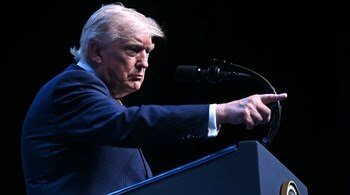
Speaking at a public event, Trump emphasized that while communication channels remain open, the fragile truce that had temporarily eased tensions has now collapsed. “The ceasefire is over,” Trump said, adding that the United States would proceed with negotiations but under a more cautious and assertive framework.
The announcement comes at a time of heightened geopolitical uncertainty in the Middle East. Relations between the United States and Iran have long been strained, with disputes over nuclear ambitions, regional influence, and military activities dominating the diplomatic landscape. The ceasefire, which had been informally observed in recent weeks, was seen by many analysts as a step toward de-escalation.
However, Trump’s remarks suggest a shift in tone, indicating that Washington may adopt a tougher stance moving forward. While he did not provide specific details about what led to the breakdown of the ceasefire, his statement hinted at dissatisfaction with Iran’s actions during the truce period.
Despite the end of the ceasefire, Trump underscored the importance of dialogue. “We have agreed to continue talks,” he noted, suggesting that both sides recognize the necessity of diplomatic engagement to avoid further conflict. Experts believe that maintaining negotiations, even amid rising tensions, could help prevent a full-scale escalation.
Political analysts are divided on the implications of Trump’s statement. Some view it as a strategic move to pressure Iran into making concessions at the negotiating table, while others warn that such rhetoric could further inflame an already volatile situation.
Meanwhile, international observers, including key allies in Europe and the Middle East, are closely monitoring developments. Many have urged both nations to exercise restraint and prioritize diplomacy over confrontation.
The coming days are expected to be critical in determining the trajectory of U.S.-Iran relations. With the ceasefire no longer in place, the risk of renewed hostilities looms large, making ongoing talks even more crucial.
As the situation unfolds, global attention remains fixed on whether diplomatic efforts can bridge the widening divide or if tensions will spiral into a more serious conflict.









