Source The Hindu
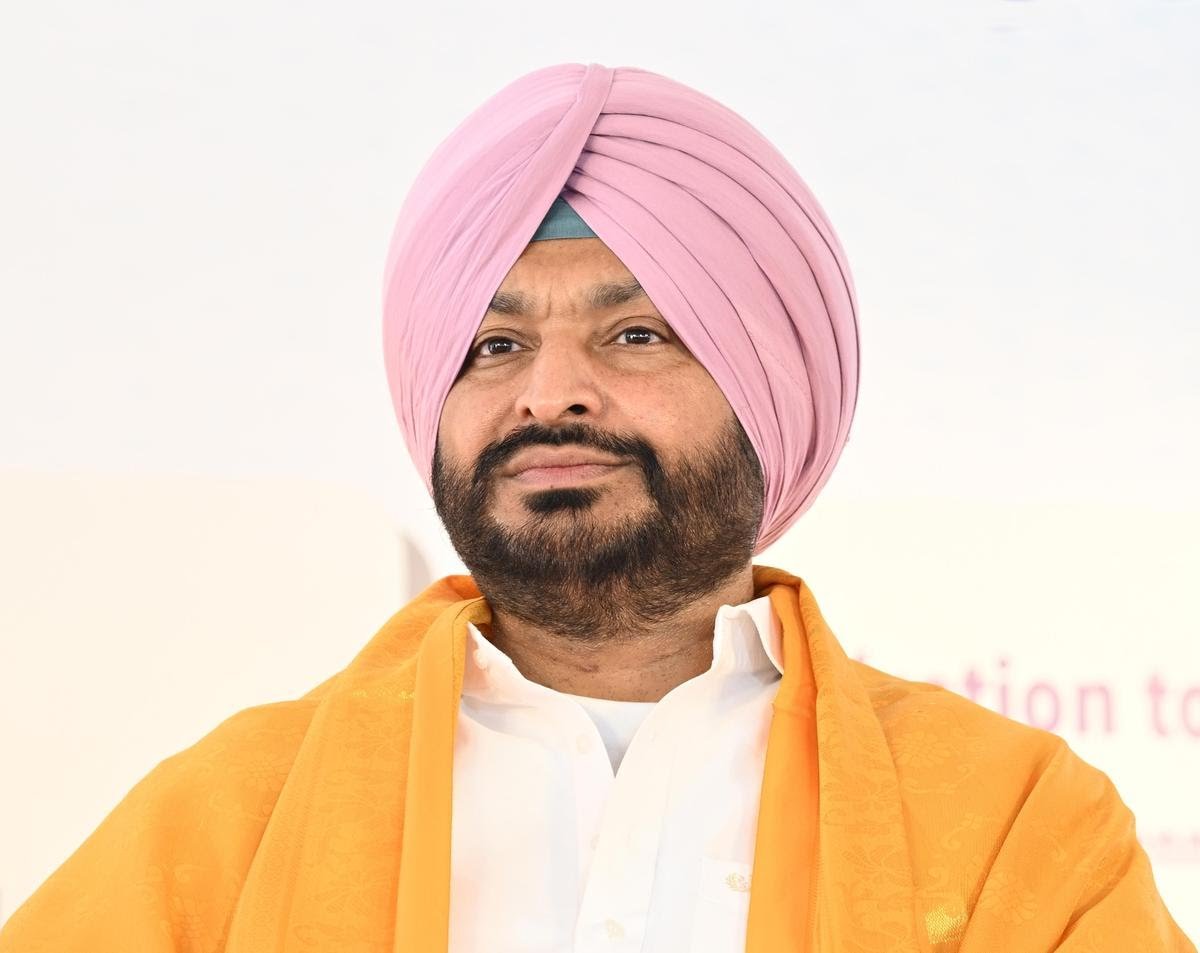
In a significant development in Indian politics, Ravneet Singh Bittu has resigned from his position as a Union Minister after the completion of his term in the Rajya Sabha. The move comes as part of constitutional and procedural requirements, as Bittu was holding ministerial office while being a member of the Upper House of Parliament.
Bittu, who has been an active political figure with roots in Punjab politics, submitted his resignation shortly after his tenure officially concluded. Sources within the government indicated that his resignation was accepted promptly, and it was conveyed that the decision was in line with established norms governing ministerial appointments and parliamentary membership.
According to constitutional provisions, a Union Minister must be a member of either house of Parliament. If a minister ceases to be a member, they are required to either get re-elected or nominated within a stipulated period, failing which they must step down from their position. With Bittu’s term in the Rajya Sabha coming to an end and no immediate re-entry into Parliament, his resignation became inevitable.
During his tenure as Union Minister, Bittu was associated with key responsibilities and was known for his vocal stance on various national and regional issues. He often addressed matters concerning Punjab, including agriculture, youth employment, and law and order. His presence in the Union Cabinet was seen as an effort to strengthen political representation from the state at the national level.
Political analysts believe that while the resignation is procedural, it could also signal upcoming political realignments or strategic decisions within the ruling establishment. There is speculation that Bittu may either seek re-election to Parliament or be reassigned a different role within the party or government structure in the near future.
Leaders from across the political spectrum reacted to the development with a mix of acknowledgment and anticipation. Members of his party praised his contributions as a minister and expressed confidence that he would continue to play a significant role in public life. Opposition leaders, meanwhile, described the resignation as a routine development but noted that it could have implications for political equations in Punjab.
Bittu’s political journey has been marked by both legacy and individual effort. Coming from a prominent political family, he has carved out his own identity over the years. His tenure in Parliament, both in the Lok Sabha earlier and later in the Rajya Sabha, has included active participation in debates and policymaking.
Observers also point out that such resignations are not uncommon in Indian politics, particularly when ministers are appointed through the Rajya Sabha route. In several instances, ministers whose terms expire either return to Parliament through elections or are re-nominated, depending on political circumstances and party decisions.
The focus now shifts to whether Bittu will make a comeback to Parliament in the near future. Political insiders suggest that discussions may already be underway regarding his next move. Given his experience and visibility, he is expected to remain an influential figure within his party.
Meanwhile, the government may soon announce a reshuffle or reallocation of ministerial portfolios to fill the vacancy created by his resignation. Such changes are often used as an opportunity to bring in new faces or rebalance representation across regions and communities.
As the political landscape continues to evolve, Bittu’s resignation serves as a reminder of the dynamic nature of governance and parliamentary democracy in India. While his term as Union Minister has come to an end for now, his future role remains a subject of keen interest among political observers and the public alike.
In the coming weeks, further clarity is expected regarding his political trajectory, as well as the government’s plans to address the vacancy. Until then, Ravneet Singh Bittu’s departure marks the close of a chapter, even as it opens the door to new possibilities in his political career.