
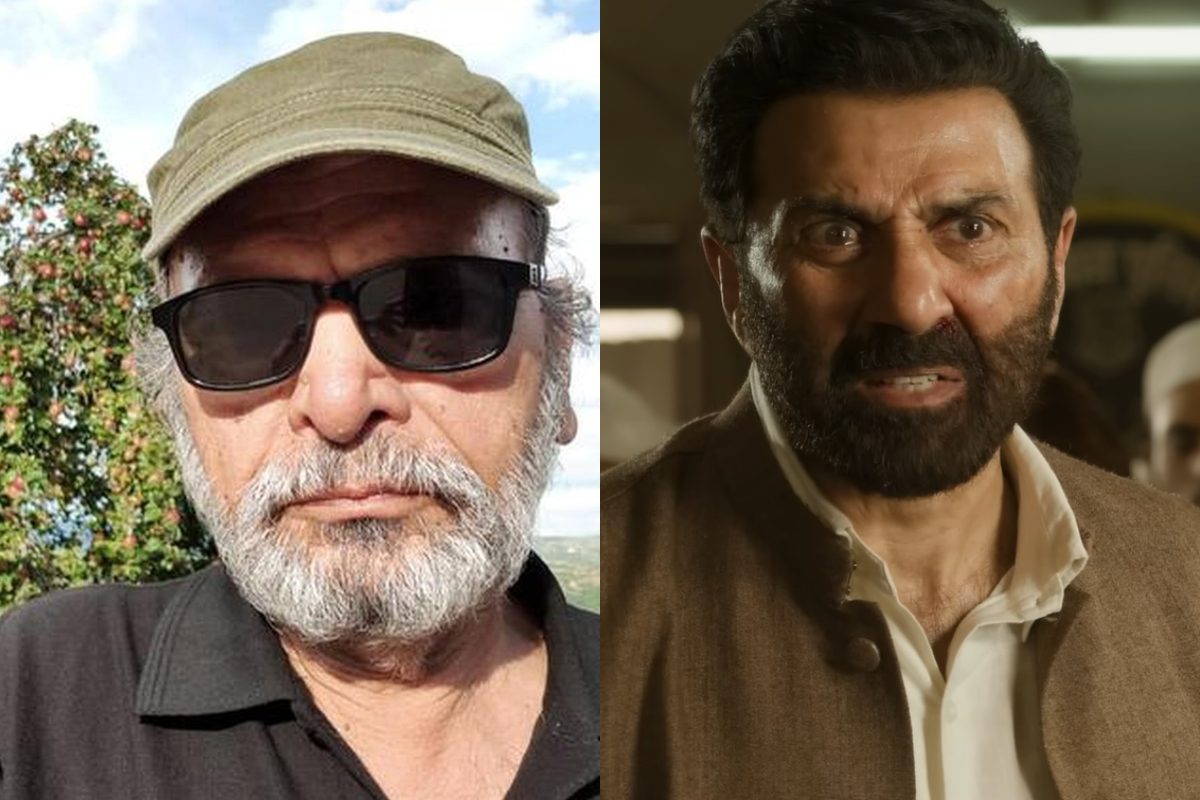
Source The Hindu
MUMBAI — When a Partition-era film starring Sunny Deol releases its trailer, audiences typically anticipate high-voltage action, fiery monologues, and intense nationalism. However, beneath the cinematic spectacle of Rajkumar Santoshi’s upcoming drama Batwara 1947 lies a subtly subversive, profoundly humanistic foundation—crafted decades ago by renowned Hindi playwright Asghar Wajahat.
Adapted from Wajahat’s iconic play Jis Lahore Nai Dekhya, O Jamyai Nai (He Who Has Not Seen Lahore Has Not Been Born), the film brings together Deol, director Rajkumar Santoshi, and producer Aamir Khan. While the film’s promotions leverage Deol’s formidable screen presence as a protector in times of communal chaos, the core narrative subverts classic jingoism by centering on quiet resistance, empathy, and communal harmony amidst displacement.
Literature Meets Mainstream Cinema
Originally written in the 1980s, Wajahat’s play recounts the story of a Muslim family migrating to Lahore after Partition who are allocated an abandoned haveli, only to find an elderly Hindu woman—referred to as “Mai”—who refuses to abandon her home. Rather than portraying cross-border hatred, the text explores how shared humanity subverts political borders and ideological extremism.
In Batwara 1947, Shabana Azmi portrays the resilient matriarch, while Sunny Deol plays Sikander Mirza, a displaced patriarch forced to move his family across the border into Pakistan. Upon entering the haveli, Deol’s character becomes the protector of the elderly woman, shielding her from local mobs and rising fanaticism.
A Shift from Bombast to Empathy
Unlike Deol’s previous Partition blockbuster Gadar, which leaned into action-driven romance, Batwara 1947 uses Deol’s star power as a shield for a far quieter message: that humanity supersedes political boundaries.
“The biggest religion is humanity,” Deol noted during a press briefing in the lead-up to the film’s theatrical release. “The core message is that compassion and a mother’s love stand above all faiths and ideologies.”
Key highlights of the film’s thematic adaptation include:
Centrality of the Matriarch: The emotional anchor remains “Mai” (Shabana Azmi), whose quiet insistence on staying in Lahore forces those around her to confront the futility of religious division.
Subverting Stereotypes: Instead of treating the “other” as an antagonist, Wajahat’s dialogic framework challenges both Indian and Pakistani extremist elements equally.
Artistic Collaboration: Directed by Santoshi, with a score composed by A.R. Rahman and lyrics by Javed Akhtar, the production blends literary gravitas with large-scale cinematic storytelling.
Scheduled for release on August 14, 2026, Batwara 1947 tests whether Bollywood’s mainstream machinery can preserve the nuanced, anti-war resistance of elite literature while delivering a blockbuster experience for global audiences.









