
Source The washington post
TEHRAN — Iranian officials announced that negotiations with Oman over a joint framework for maritime transit through the Strait of Hormuz are nearing completion. However, Tehran cautioned that the bilateral accord will not automatically reopen the strategic waterway to normal commercial shipping, linking a full resumption of transit to a sweeping list of demands directed at the United States.
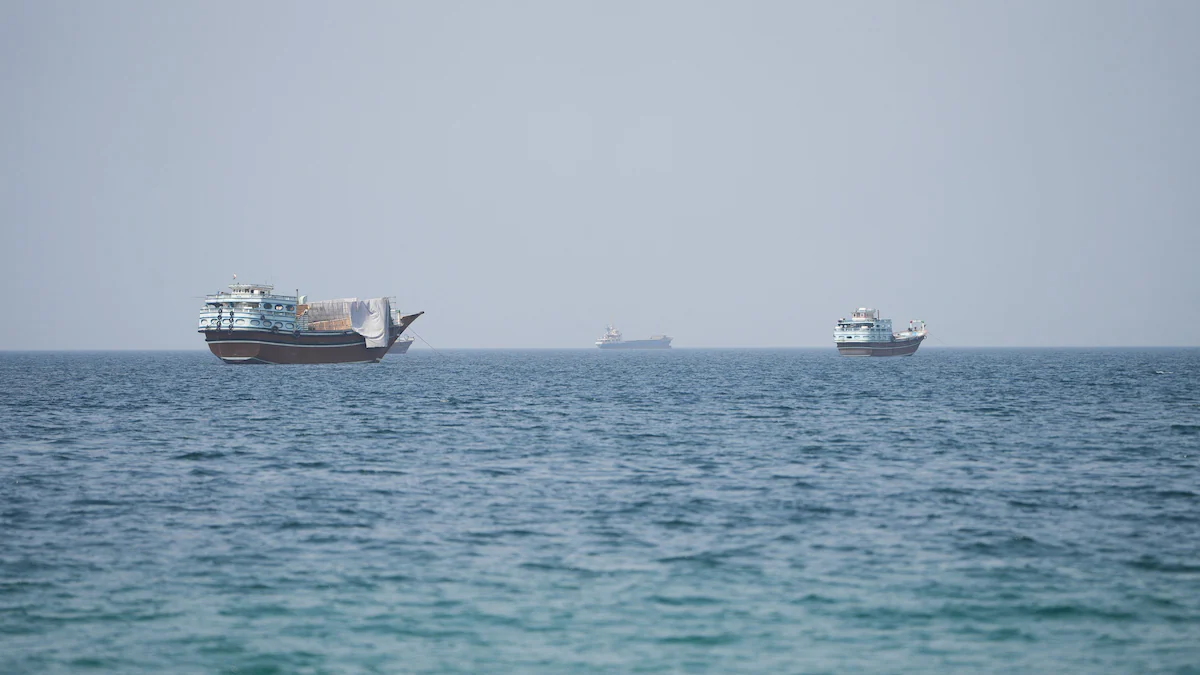
Speaking at a press conference, Iranian Foreign Minister Abbas Araghchi confirmed that Tehran and Muscat are finalizing a draft agreement to establish a temporary shipping corridor through the narrow channel. Under the proposed arrangement, incoming and outgoing vessel routes would be remapped, granting Iran enhanced oversight of maritime traffic passing through its territorial waters.
Despite the diplomatic progress between the two neighboring Persian Gulf states, Iranian leadership stressed that the agreement itself is insufficient to restore unhindered passage through one of the world’s most crucial energy choke points.
“We believe we are very close to a final agreement,” Araghchi stated. “However, this does not indicate the reopening of the strait”.
Escalating Demands and International Pushback
Tehran’s security officials reiterated that a full opening of the strait remains contingent on substantial concessions from Washington. Mohammad Bagher Zolghadr, secretary of Iran’s Supreme National Security Council, outlined prerequisites for clearing the waterway, demanding that the United States:
Lift economic sanctions and unfreeze billions of dollars in blocked Iranian assets abroad.
Provide compensation and war damages incurred during recent military confrontations.
End naval blockades on Iranian ports and cease military strikes targeting Iranian-aligned forces across the region.
Washington has maintained a firm stance against unilateral oversight of the passage. A U.S. official affirmed that any maritime arrangement must guarantee free transit without requirements for explicit permissions or the collection of transit fees. Under international maritime law, nations bordering natural straits are prohibited from levying tolls on commercial vessels engaging in transit passage.
With approximately twenty percent of the world’s petroleum and natural gas supplies normally transiting the Strait of Hormuz, the prolonged uncertainty continues to destabilize global energy markets and keep maritime freight rates near record highs.









