Source The Hindu
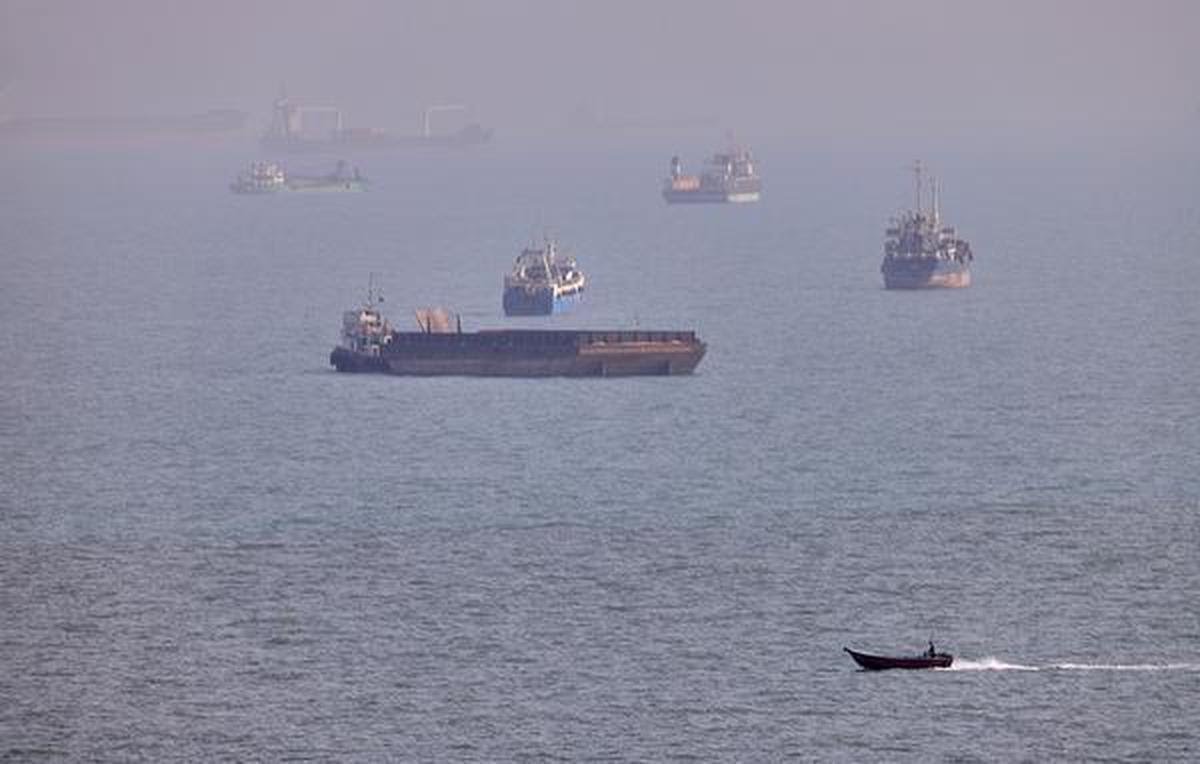
TEHRAN / WASHINGTON — Iran has announced that it will not reopen the Strait of Hormuz to commercial shipping unless the United States meets a stringent list of political and financial demands, even as Tehran and Oman finalize an interim agreement defining new navigation corridors through the critical energy channel.
Key Demands Set by Tehran
According to Iranian Foreign Minister Abbas Araghchi and the Supreme National Security Council, reopening the strategic choke point is contingent on Washington making several key concessions:
War Compensation: Payment for damages caused by U.S. and Israeli military strikes against Iranian infrastructure.
Lifting Blockades & Sanctions: An immediate end to the U.S. counterblockade of Iranian ports and the removal of primary economic sanctions.
Asset Unfreezing: The release of frozen Iranian financial assets abroad.
Security Guarantees: A permanent halt to military aggression and threats against Iran and its regional allies in Lebanon, Yemen, Palestine, and Iraq.
Iranian Revolutionary Guard Corps (IRGC) officials emphasized that the channel currently remains an active “theatre of war,” insisting that shipping restrictions will persist until all conditions are accepted.
Oman-Mediated Shipping Framework
While direct talks between Washington and Tehran remain suspended, intermediaries are facilitating indirect message exchanges. Officials report that Iran and Oman are in the final stages of establishing a temporary Traffic Separation Scheme:
Transit Routes: Under the proposed framework, vessels would enter through lanes near Iran and exit near Oman.
Toll Exemption: Ships transiting during the interim period would not be subject to tolls or fees, restoring principles of international navigation.
Exclusions: Iranian lawmakers noted that vessels belonging to “hostile nations” involved in wartime damage would remain barred until compensation is settled.
Global Market Impact & Washington’s Response
The prolonged closure of the Strait of Hormuz—through which roughly 20% of global petroleum flows—has severely disrupted global trade, driving energy prices higher and putting economic pressure on international markets.
Addressing the deadlock, U.S. President Donald Trump indicated that Washington is taking a “low-key” stance, suggesting the administration believes economic pressures on Tehran, including high inflation, will eventually force a resolution. Meanwhile, U.S. Treasury officials have expressed cautious optimism that a broader short-term ceasefire could pave the way for safe passage to resume.