
Source TOI
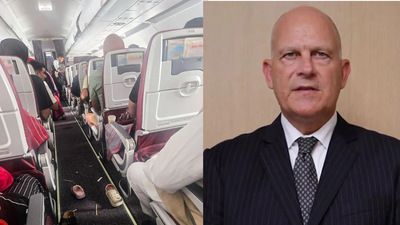
In the wake of a mid-air turbulence incident involving an Air India flight en route to Phuket, the airline’s Chief Executive Officer held high-level discussions with India’s aviation authorities, including the Ministry of Civil Aviation (MoCA) and the Directorate General of Civil Aviation (DGCA). The meeting comes as regulators continue to investigate the circumstances surrounding the unexpected turbulence that reportedly caused injuries to passengers and crew.
According to officials familiar with the matter, the CEO briefed authorities on the airline’s preliminary findings and outlined the immediate corrective measures being taken. The discussions focused on flight safety protocols, pilot response mechanisms, and adherence to standard operating procedures during adverse weather conditions.
The turbulence incident occurred earlier this week when the aircraft encountered severe and sudden air disturbances during its descent phase into Phuket. Several passengers reportedly experienced discomfort, while a few sustained minor injuries due to the abrupt movement of the aircraft. Cabin crew acted promptly to assist affected passengers and ensure safety onboard.
The DGCA has initiated a detailed probe into the incident, seeking data from the flight’s cockpit voice recorder (CVR) and flight data recorder (FDR). Officials are also examining weather reports, pilot communication logs, and air traffic control inputs to determine whether the turbulence could have been anticipated or mitigated.
During the meeting, the MoCA emphasized the importance of passenger safety and called for strict compliance with global aviation safety standards. The ministry also urged Air India to reinforce its training modules for pilots and cabin crew, particularly in handling extreme weather scenarios and turbulence-related emergencies.
Air India, in its statement, reiterated its commitment to safety and transparency. The airline confirmed that it is cooperating fully with regulatory authorities and has initiated an internal review alongside the official investigation. “Safety remains our top priority. We are working closely with the DGCA and MoCA to ensure a thorough understanding of the incident and to prevent any recurrence,” the airline said.
Aviation experts note that while turbulence is a common occurrence in air travel, sudden and severe episodes can pose risks if not managed effectively. They stress the importance of real-time weather monitoring systems, timely communication between pilots and air traffic controllers, and strict enforcement of seatbelt protocols for passengers.
The incident has also sparked discussions within the aviation sector about enhancing predictive turbulence technology and improving passenger awareness. Airlines may consider reinforcing pre-flight safety briefings and encouraging passengers to remain seated with seatbelts fastened whenever possible.
As the investigation progresses, the DGCA is expected to release a detailed report outlining the findings and recommendations. Depending on the outcome, further regulatory actions or safety advisories may be issued to airlines operating in similar routes or conditions.
For now, the focus remains on ensuring passenger confidence and maintaining the highest safety standards in Indian aviation. The outcome of this probe could play a significant role in shaping future guidelines for handling turbulence-related incidents across the industry.









