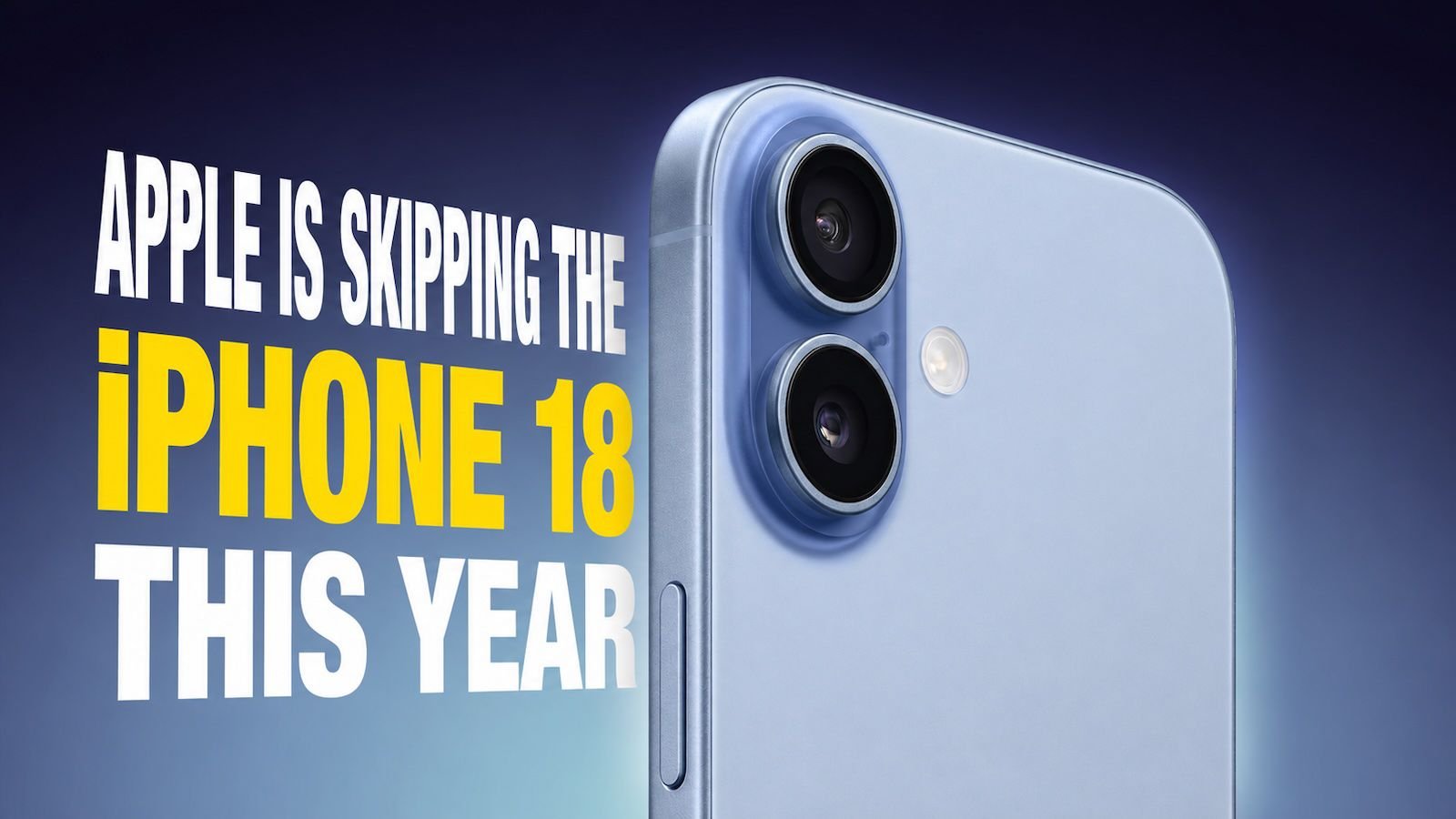
Source macrumours
CUPERTINO, Calif. — Apple is preparing to break its longstanding tradition of launching an entire unified iPhone lineup every autumn. According to supply chain reports and manufacturing signals from key assembly partners, the base-model iPhone 18 will not hit shelves this year, marking the first major split in Apple’s smartphone release cycle in over a decade.
Instead of the customary simultaneous rollout, Apple will prioritize its highest-tier and experimental hardware this fall, holding back consumer-tier models until early 2027.
A Tale of Two Release Windows
The new roadmap splits Apple’s annual smartphone cadence into a two-tiered schedule:
Fall 2026 (September Window): Focused entirely on premium hardware, led by the iPhone 18 Pro, iPhone 18 Pro Max, and Apple’s first foldable device, widely referred to as the iPhone Ultra.
Spring 2027 (March Window): Targeted at mainstream consumers, featuring the standard iPhone 18, an entry-level iPhone 18e, and the second-generation iPhone Air.
Why Apple Is Splitting the Lineup
The decision reflects logistical, production, and market differentiation priorities:
Production Bandwidth for Foldables: Manufacturing Apple’s inaugural foldable display demands intricate assembly and stringent yield management. Removing standard models from the autumn queue frees up critical supply chain capacity.
Maximizing Premium Revenue: Giving the Pro and Ultra lines an exclusive multi-month sales window allows Apple to capture early adopters and high-margin upgrades without cannibalization from lower-cost standard alternatives.
Sustained Year-Round Momentum: A spring release revitalizes interest mid-cycle, providing a second revenue spike in Q1/Q2 rather than compressing demand exclusively into the holiday quarter.
For consumers waiting on standard upgrades, the shift extends the lifecycle of current base models while Apple concentrates its fall spotlight squarely on top-tier engineering.