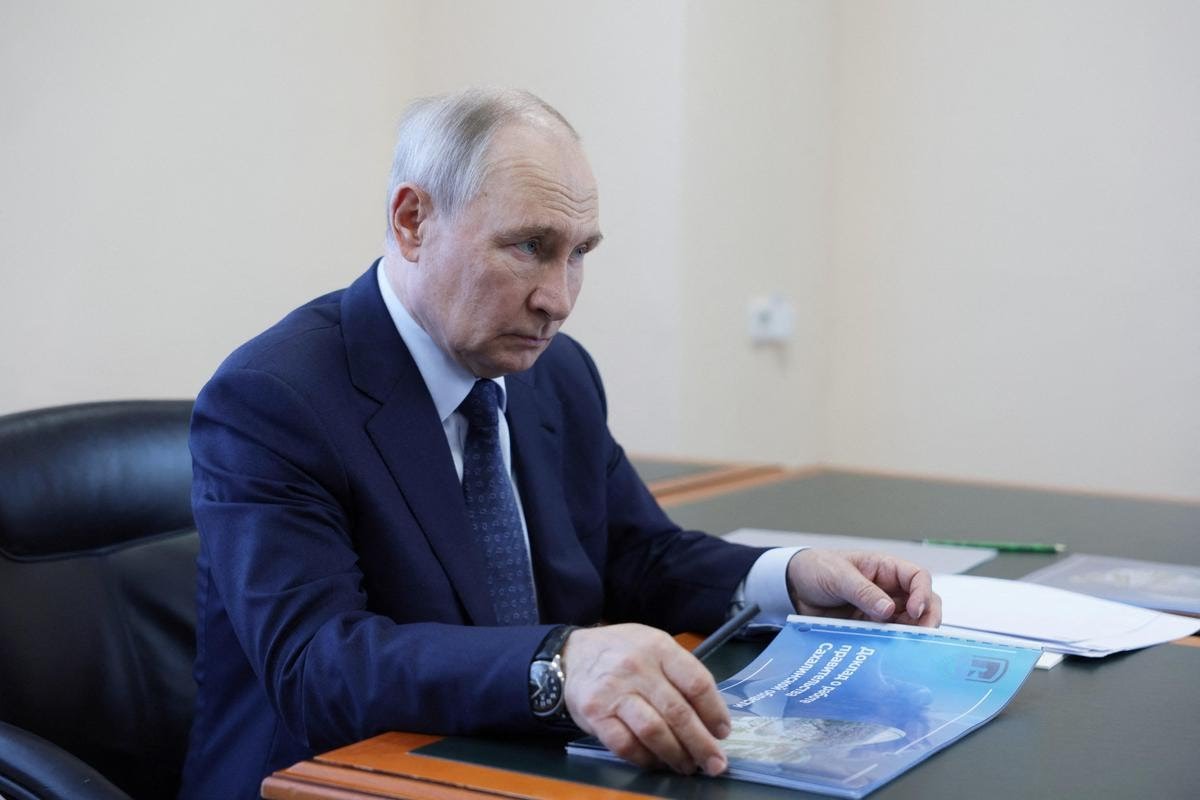
Source The Hindu
Russian President Vladimir Putin has made a rare and politically sensitive visit to a chain of Pacific islands claimed by Japan, triggering strong protests from Tokyo and adding fresh tension to long-standing territorial disputes between the two nations.
The visit, which marks Putin’s first trip to the disputed island chain since the escalation of geopolitical tensions in recent years, is being viewed as a deliberate assertion of Russian sovereignty over the territory. The islands—known in Russia as part of the Kuril chain and referred to in Japan as the Northern Territories—have remained a point of contention since the end of World War II.
Strategic Symbolism and Timing
Putin’s visit included meetings with local officials, inspections of infrastructure projects, and remarks emphasizing Russia’s commitment to developing the region. Russian state media portrayed the trip as part of a broader initiative to strengthen economic and military presence in the Pacific, highlighting investments in fisheries, tourism, and defense installations.
Analysts suggest the timing of the visit is significant, as it comes amid shifting alliances and increased competition in the Indo-Pacific region. By physically setting foot on the disputed islands, Putin appears to be reinforcing Moscow’s position that the territory is an integral part of Russia, leaving little room for negotiation.
Japan’s Strong Protest
In response, Japan lodged a formal diplomatic protest, calling the visit “unacceptable” and a violation of its sovereignty claims. Japanese officials reiterated that the islands were illegally occupied by the Soviet Union at the end of World War II and should be returned to Japan.
A spokesperson for the Japanese government stated that such actions undermine efforts to resolve the dispute through peaceful dialogue. The issue has long prevented the two countries from signing a formal peace treaty to officially end World War II hostilities.
Public sentiment in Japan has also been stirred, with political leaders across party lines condemning the visit and urging stronger diplomatic measures.
Historical Context of the Dispute
The territorial dispute dates back to 1945, when Soviet forces seized the islands in the closing days of World War II. Since then, both nations have maintained competing claims. Despite periodic negotiations over the decades, no lasting resolution has been achieved.
Efforts to reach a compromise—including proposals for joint economic activities or phased territorial transfers—have repeatedly stalled due to differing interpretations of sovereignty and national interest.
Regional and Global Implications
Putin’s visit is likely to have broader implications beyond bilateral relations. The Indo-Pacific region is increasingly becoming a focal point for global power competition, involving not just Russia and Japan but also the United States and China.
Experts warn that such symbolic moves could further complicate regional diplomacy and reduce the chances of a negotiated settlement. It may also push Japan to deepen its security partnerships with allies, particularly the United States, in response to perceived assertiveness by Russia.
Outlook
While Russia shows no indication of reconsidering its control over the islands, Japan continues to pursue diplomatic channels to assert its claims. However, with both sides hardening their positions, prospects for a breakthrough appear increasingly uncertain.
Putin’s visit, though brief, has once again brought the decades-old dispute into sharp focus, underscoring the enduring complexity of territorial conflicts rooted in history.