
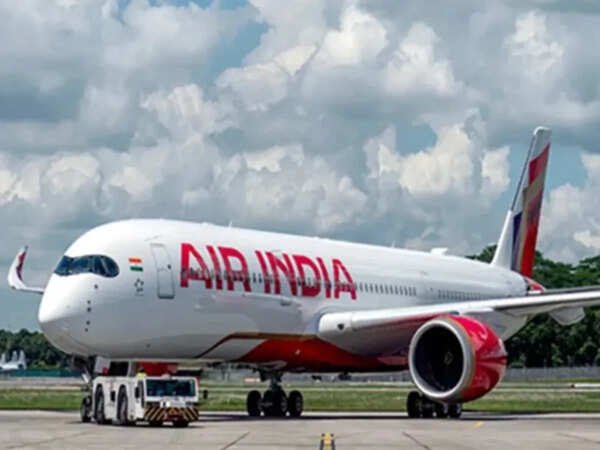
Source The economics Times
MUMBAI: In a major financial move, the board of Tata Sons has given in-principle approval for a fresh capital infusion of over ₹10,000 crore into Air India. This marks one of the conglomerate’s largest financial commitments to the flagship carrier since acquiring it for ₹18,000 crore in 2021. However, the cash injection comes with strict caveats, signaling a shift toward tighter financial discipline within the group.
The decision, which was formally taken during a June board meeting chaired by Tata Sons Chairman N. Chandrasekaran and attended by Tata Trusts Chairman Noel Tata, halts a year-long pause on equity injections into the airline.
The Conditions for Capital
Unlike previous open-ended support, the newly approved funds will not be released automatically. Tata Sons has mandated that Air India, along with other investee companies, must present a detailed business case and justification before drawing on the capital. Under Article 121A of Tata Sons’ articles of association, any investment exceeding ₹100 crore requires the majority backing of nominee directors from Tata Trusts.
This conditional approach follows growing internal scrutiny. Earlier this year, Noel Tata raised pointed questions regarding Air India’s mounting losses and demanded better clarity on capital allocation and strategic direction for the group’s newer, loss-making ventures.
Widening Losses and Mounting Debt
The financial constraints on Air India have intensified as the airline undergoes a massive, multi-year transformation program. Key financial indicators from the previous fiscal year highlight the urgency of the situation:
Net Losses: Air India’s net loss more than doubled to ₹22,238 crore in FY26, up from ₹10,859 crore the previous year.
Stagnant Equity: Tata Sons’ annual report for FY26 showed its investment in the airline remained flat at ₹22,618 crore, indicating zero fresh equity was injected during the year.
Debt Pile: To manage its operational costs without fresh equity, Air India relied heavily on debt. The airline’s outstanding borrowings currently stand at approximately ₹40,000 crore distributed across 11 lenders.
Singapore Airlines’ Stance
The capital raise also puts a spotlight on Singapore Airlines (SIA), which holds a 24.7% stake in Air India. To prevent its shareholding from being diluted, SIA would need to contribute roughly ₹3,350 crore (around $351 million). SIA management has stated it will “carefully consider” the funding request, weighing Air India’s strategic trajectory against the broader capital requirements of the SIA group. The final decision will rest with SIA’s board.
The funding arrangement will likely be a key agenda item as the Tata Sons board prepares to meet again on September 17, where the broader performance and capital discipline of the group’s portfolio will remain a focal point.









