Source Hindustan Times
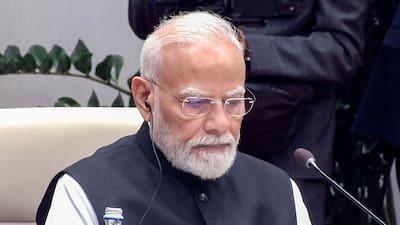
Prime Minister Narendra Modi on Friday defended his recent Independence Day speech, stating that his carefully worded “homeopathic dose” of criticism was enough to expose what he described as “dimaagi naxals,” or ideological extremists working against national interests.
Addressing a public gathering after the August 15 celebrations, the Prime Minister explained that his remarks from the Red Fort were intentionally measured yet impactful. He said that even a subtle message, when delivered with clarity, can reveal deeper issues within society.
“In my Independence Day speech, I chose my words carefully. It was like a homeopathic dose—small but effective. It has exposed those who spread negativity and work against the country’s unity,” Modi said.
The term “dimaagi naxals,” used by the Prime Minister in recent political discourse, has sparked widespread debate. Supporters argue that it refers to individuals who promote divisive ideologies under the guise of intellectual or academic discourse. Critics, however, have raised concerns over the broad use of such terminology, warning that it may target dissenting voices and undermine democratic debate.
Political reactions to Modi’s statement were swift. Leaders from the opposition questioned the intent behind the remarks, accusing the government of labeling critics unfairly. They emphasized the importance of safeguarding freedom of expression in a लोकतांत्रिक (democratic) society.
Meanwhile, members of the ruling party backed the Prime Minister, asserting that his comments were directed at elements that allegedly weaken national unity. They argued that distinguishing between constructive criticism and harmful narratives is necessary for the country’s progress.
Political analysts suggest that the Prime Minister’s phrasing reflects a broader ideological battle in India’s public discourse, where narratives around nationalism, dissent, and intellectual freedom continue to evolve. The use of metaphorical language like “homeopathic dose” indicates a strategic communication style aimed at delivering strong messages without overt confrontation.
As the debate continues, Modi’s remarks have once again brought attention to the ongoing tension between governance, political messaging, and the boundaries of free speech in India’s लोकतांत्रिक framework.
The controversy surrounding the statement is expected to remain a talking point in the coming weeks, with both supporters and critics engaging in a wider discussion about the role of language and ideology in shaping the nation’s political landscape.