Source The Hindu
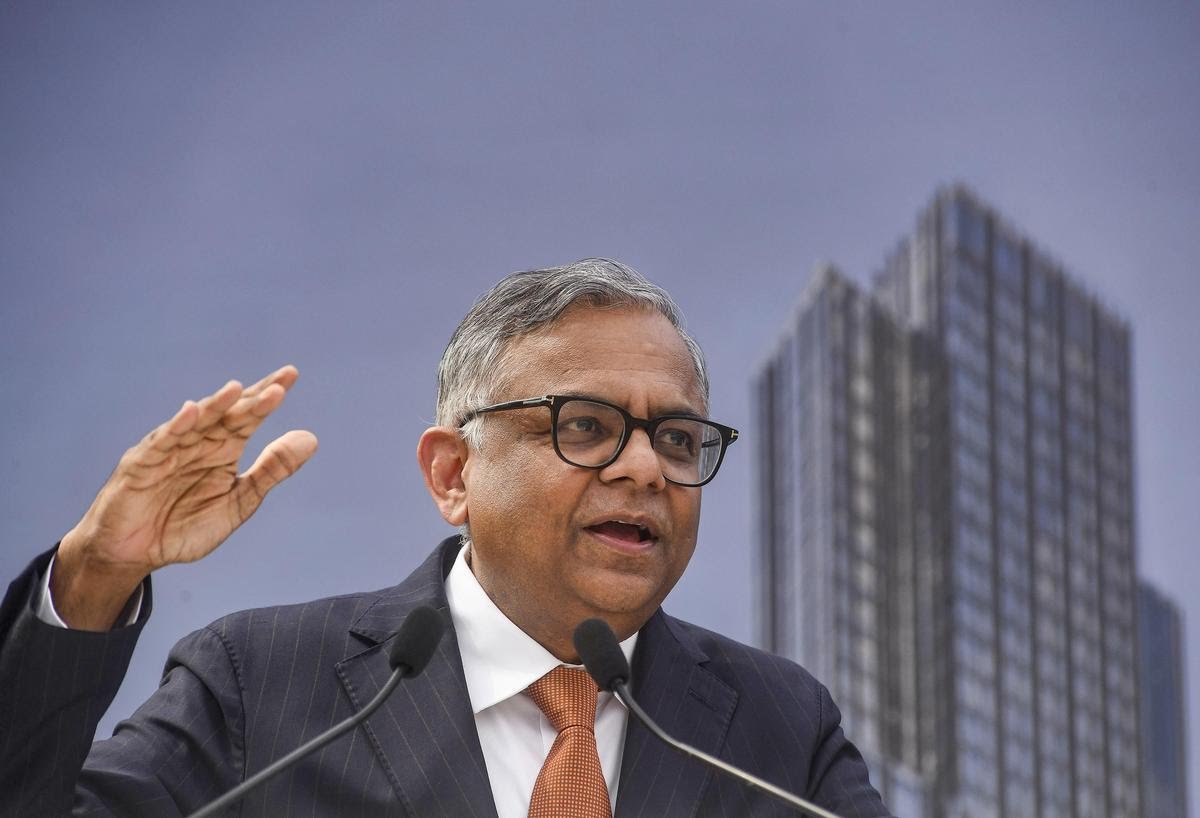
MUMBAI — In a sudden escalation of executive friction at India’s premier conglomerate, the Board of Tata Sons resolved on Thursday to reappoint N. Chandrasekaran as Executive Chairman for a fresh five-year term, igniting an immediate revolt from Tata Trusts, which labeled the decision a “legal nullity” and void.
The clash erupted during a pivotal Tata Sons board meeting where directors voted 4–1 to extend Chandrasekaran’s mandate beyond the conclusion of his current tenure on February 20, 2027. The single dissenting vote was cast by Tata Trusts Chairman Noel N. Tata, who represents the philanthropic entities that collectively hold a 66% controlling stake in the holding giant.
A Sudden Reversal of Exit Plans
Chandrasekaran, 63, who has steered the conglomerate since 2017, had previously notified the board on August 12 that he would not seek an extension once his tenure concluded. Tata Sons revealed that its Nomination and Remuneration Committee (NRC) unanimously implored him to reconsider, citing continuity, enterprise stability, and the larger interests of the group. Chandrasekaran acceded to the board’s plea, paving the way for the majority vote.
However, Tata Trusts issued a sharply worded response hours later, maintaining that Chandrasekaran’s earlier exit decision had already been formally accepted, widely communicated, and had attained finality.
“Once such a decision has been publicly communicated, it has consequences which cannot be afterwards undone, since the Group’s employees, its lenders and counterparties, the market, and the majority shareholder have all proceeded on it,” the Trusts said in an official statement.
The Articles of Association at Issue
The standoff hinges on competing interpretations of corporate governance rules. Tata Trusts argued that under Tata Sons’ Articles of Association, any appointment or reappointment of the Chairman requires the affirmative vote of the nominee directors appointed by the Trusts.
Because Noel Tata voted against the motion, the Trusts contend that the quorum and approval thresholds were violated, rendering the resolution illegitimate. To substantiate its position, Tata Trusts submitted a formal legal opinion authored by former Chief Justice of India D.Y. Chandrachud, though the Trusts claimed the board failed to formally take note of the submission. The Trusts affirmed that the Selection Committee formed to scout a successor will proceed under the company’s foundational charter.
High Stakes Amid Public Listing Mandate
The internal turmoil unfolds against heightened regulatory pressures. During Thursday’s meeting, the board also resolved to take formal steps toward an initial public offering (IPO) of Tata Sons.
The Reserve Bank of India had previously designated Tata Sons an “upper-layer” non-banking financial company (NBFC-UL), mandating a public market listing. The central bank recently dismissed Tata Sons’ application to surrender its registration, triggering market expectations that an IPO must proceed. While board supporters view Chandrasekaran’s retention as critical for market confidence during this transition, the Trusts’ open defiance sets the stage for a high-stakes governance battle that will likely be decided at the upcoming Annual General Meeting or in the courts.