Source Live law
Prime Minister Narendra Modi has asserted that developing countries should not be forced to shoulder an unfair share of the global burden of carbon emissions, emphasizing the need for equitable climate action during international discussions on environmental sustainability.
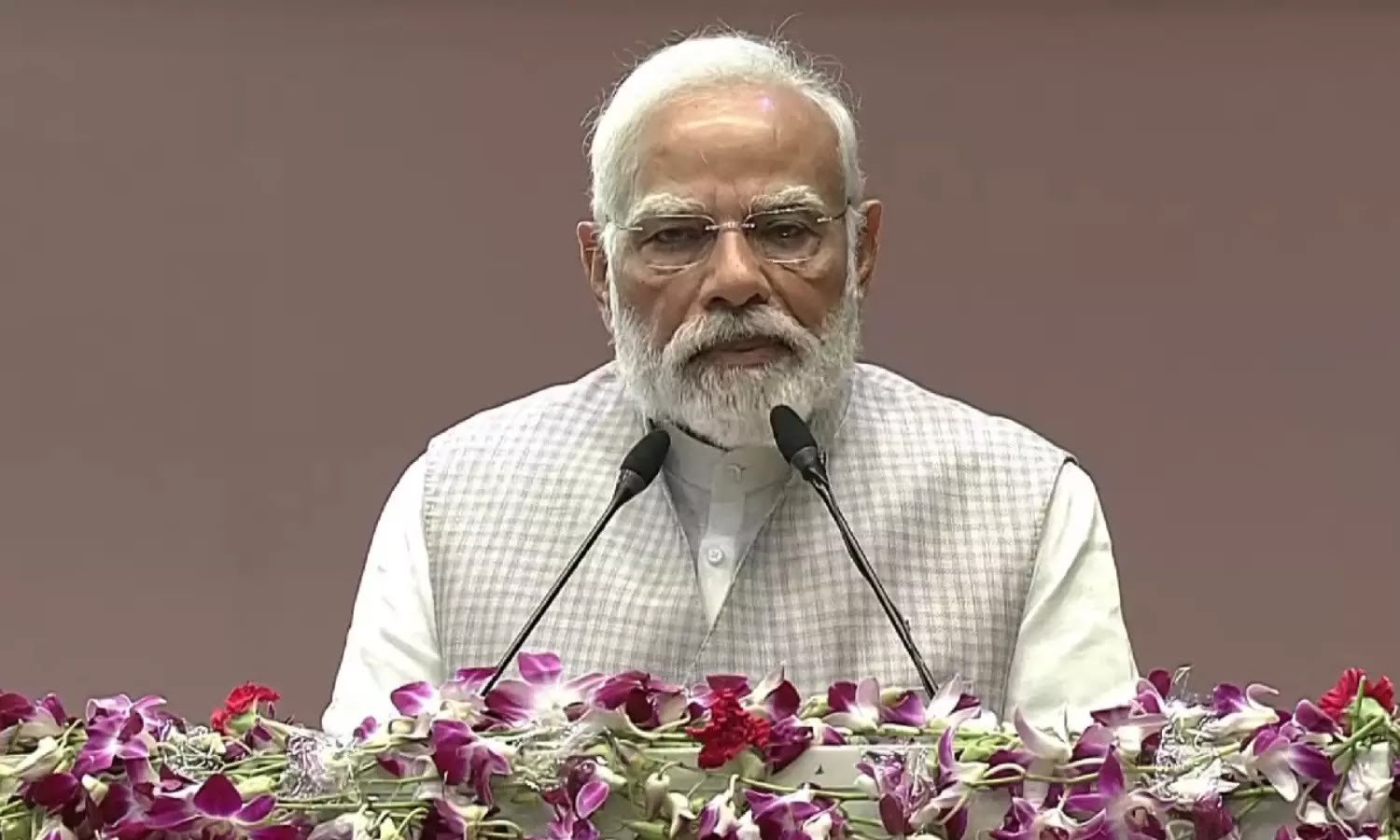
Speaking at a global forum on climate change, the Prime Minister highlighted the historical responsibility of developed nations in contributing to global carbon emissions. He stated that while developing countries are committed to environmental protection, they must also balance their developmental priorities, including poverty alleviation, infrastructure growth, and industrial expansion.
Modi underscored that many developed nations have achieved economic prosperity through decades of high carbon emissions, and it would be unjust to expect developing economies to limit their growth without adequate financial and technological support. “Climate justice demands that those who have contributed the most to global emissions must take greater responsibility in addressing the crisis,” he said.
The Prime Minister also pointed out that India has been actively pursuing sustainable development goals, investing heavily in renewable energy sources such as solar and wind power. He reiterated India’s commitment to achieving net-zero emissions by 2070 and emphasized that the country remains on track to meet its climate targets ahead of schedule.
During his address, Modi called for increased cooperation between developed and developing nations, urging wealthier countries to fulfill their commitments to provide climate finance and transfer green technologies. He stressed that global efforts to combat climate change must be inclusive, transparent, and based on the principle of “common but differentiated responsibilities.”
Environmental experts have often echoed similar concerns, arguing that developing countries face unique challenges, including limited resources and growing populations. Without sufficient international support, these nations risk being disproportionately affected by both climate change impacts and restrictive emission policies.
The Prime Minister’s remarks come at a time when global negotiations on climate action are intensifying, with nations debating emission reduction targets and funding mechanisms. His statement reinforces India’s long-standing position that climate policies must be fair and considerate of differing national circumstances.
As the world grapples with the urgent need to address climate change, Modi’s call for equity highlights the importance of a balanced approach—one that ensures environmental protection without hindering the growth aspirations of developing economies.