Source The Hindu
Civil rights group raises concern over Election Commission leadership
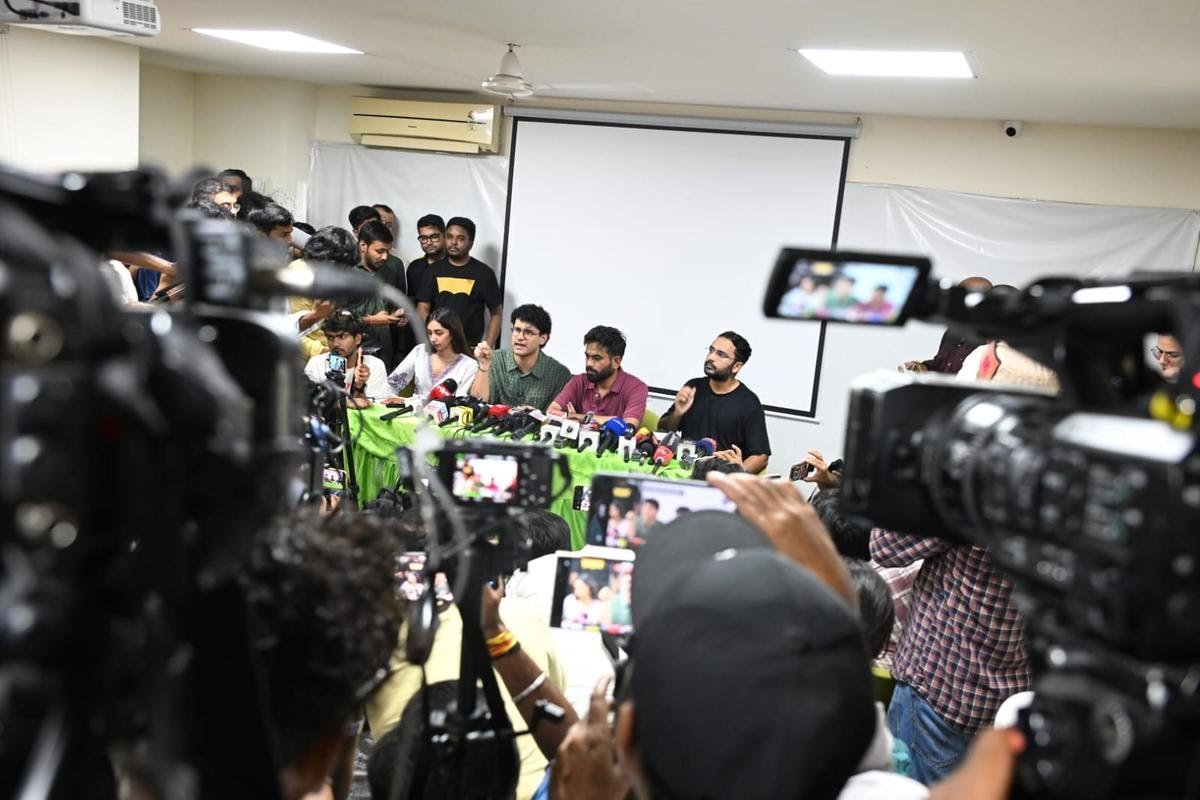
The Citizens for Justice and Peace (CJP), a civil rights organisation, has issued a strong warning regarding Chief Election Commissioner Gyanesh Kumar. The group has said that if he does not step down, the country could see a fresh wave of public protests similar to past large-scale gatherings at Jantar Mantar in Delhi.
CJP said that trust in democratic institutions is at risk and urgent action is needed to protect public faith in the Election Commission of India.
“Jantar Mantar 2.0” reference sparks attention
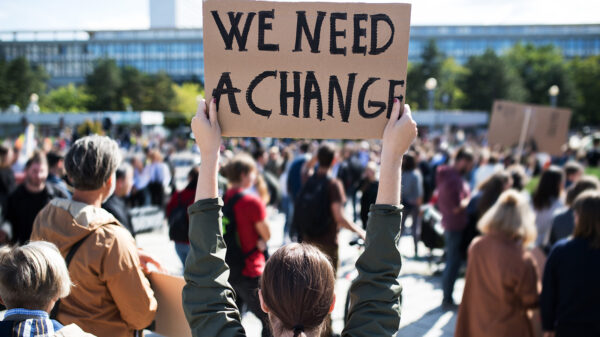
In its statement, CJP used the term “Jantar Mantar 2.0” to describe what it believes could be a new phase of mass protests. Jantar Mantar in Delhi is a well-known protest site where many movements and public demonstrations have taken place over the years.
By using this term, the organisation warned that public anger could grow if concerns about the Election Commission’s leadership are not addressed. The group did not announce any specific protest plan but indicated that civil society may take to the streets if the situation continues.
Concerns over fairness and independence
CJP has raised questions about the independence and fairness of the Election Commission under the current leadership. It claimed that recent developments have created doubts among sections of the public about whether the institution is acting in a fully neutral way.
The group stressed that the Election Commission must remain free from political pressure and must be seen as fair by all citizens. According to CJP, even a small loss of trust in this institution can harm the democratic process.
Call for resignation and reforms
The organisation has called for Chief Election Commissioner Gyanesh Kumar to resign in order to restore confidence. It also demanded wider reforms to strengthen the Election Commission and ensure greater transparency in its functioning.
CJP said that democracy depends on strong and trusted institutions, and any damage to them could have long-term effects on elections and public participation.
Opposition and public reaction expected
While the statement has gained attention, it is expected that political parties and other groups may respond in different ways. Supporters of the Election Commission may reject the allegations, while civil society groups may support calls for accountability.
The issue is likely to spark further debate in the coming days, especially as elections approach and questions about neutrality and fairness become more important.
Conclusion
The warning from CJP has added a new layer to the ongoing discussion around India’s electoral system and institutional trust. Whether this leads to protests or political action remains to be seen, but the message from the group is clear: it wants immediate steps to protect the credibility of the Election Commission and avoid what it calls a “Jantar Mantar 2.0” situation.