Source BS
On an ordinary Monday afternoon in October 2016, India’s corporate world was hit by an earthquake.
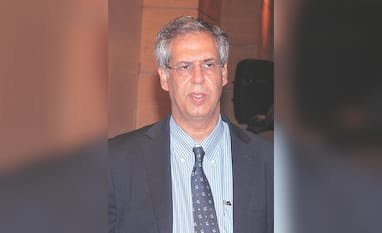
Inside Bombay House, the quiet, red-brick headquarters of the Tata Group in Mumbai, the board of Tata Sons met for routine business. But within minutes, the unthinkable happened: Cyrus Mistry, the hand-picked successor to Ratan Tata, was abruptly sacked as Chairman. He was given just minutes to pack up his desk.
To the outside world, the Tata brand was a symbol of quiet dignity, nation-building, and clean corporate ethics. Suddenly, it was engulfed in India’s fiercest, messiest corporate civil war.
The Power Behind the Throne
To understand why the fallout happened, you have to look at how the empire is wired.
Tata Sons is the main holding company that owns stakes in giants like TCS, Tata Motors, and Tata Steel.
Tata Trusts, a cluster of philanthropic charities created by the founding family, owns a massive 66% controlling stake in Tata Sons.
The Shapoorji Pallonji (SP) Group, Cyrus Mistry’s family business, holds roughly 18.4%.
When Ratan Tata stepped down from executive power in 2012, he handed the chairmanship of Tata Sons to Cyrus Mistry. However, Ratan Tata kept control of the powerful Tata Trusts.
This created an unprecedented situation: for the first time in modern Tata history, the head of the operational business and the head of the trust owning the business were two different people.
The Clashing Visions
The honeymoon period did not last. Friction began brewing behind closed doors over how the massive, sprawling empire should be run.
Pruning the Legacy: Mistry inherited an empire weighed down by heavy debt from overseas shopping sprees, including Corus Steel in the UK. He wanted to sell unprofitable legacy businesses and cut spending. To veterans loyal to Ratan Tata, this looked like dismantling long-held jewels and legacy bets.
The Telecom Mess: A bitter dispute with Japanese telecom firm NTT Docomo flared up over their joint venture. The messy fallout dragged into foreign courts, damaging the group’s reputation.
The Nano Dilemma: The low-cost Tata Nano was Ratan Tata’s pet project, but it was losing money. Mistry pushed to halt production, touching a deeply sensitive nerve.
Who Calls the Shots? The biggest flashpoint was governance. Mistry felt the trustees were acting like backseat drivers, demanding access to confidential board papers before decisions were made. The Trusts, on the other hand, felt Mistry was sidelining the very institutions that owned the company.
The Coup and the Aftermath
On October 24, 2016, the Trusts pulled the trigger. Citing a “lack of performance” and “loss of trust,” the board removed Mistry and brought back Ratan Tata as interim chairman until N. Chandrasekaran was later chosen to lead.
Mistry did not walk away quietly. He fired off a blistering five-page letter accusing the board of improper meddling, raising red flags over corporate governance, and warning of massive future write-downs across several group companies.
What followed was a marathon five-year legal duel that moved from company law tribunals all the way to the Supreme Court of India.
The Final Verdict
In March 2021, the Supreme Court delivered the final word, ruling completely in favor of Tata Sons and upholding Mistry’s removal. The court declared that the majority shareholders had every right under corporate law to remove an executive in whom they had lost faith.
Tragedy struck in September 2022 when Cyrus Mistry lost his life in a car crash near Mumbai, bringing an untimely, sorrowful close to one of business history’s most debated figures.
The saga permanently transformed Bombay House. It laid bare the tricky balance between philanthropic trustees and corporate boards, proving that even a century-old empire built on quiet consensus is not immune to a good old-fashioned clash of egos and power.