Source The telegraph India
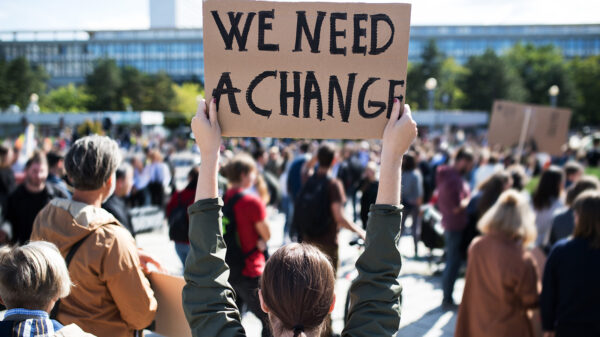
India’s Election Commission is facing growing attention at home and abroad as protests against Chief Election Commissioner Gyanesh Kumar continue across the country. Opposition parties, student groups and youth activists have raised questions about voter-list changes and demanded greater transparency from the poll body.
The protests have now become an issue closely watched by international media, with several global outlets focusing on the debate over India’s electoral process and the independence of its election authorities.
Why Are People Protesting?
At the centre of the dispute is the Special Intensive Revision (SIR) of electoral rolls. The Election Commission says the exercise is meant to identify and remove duplicate, deceased or otherwise ineligible entries while ensuring that eligible voters remain on the rolls.
Opposition parties and protest groups, however, have alleged that the process could remove genuine voters from electoral lists. They have questioned the way the revision has been carried out and have demanded that the process be reviewed. The Election Commission and the BJP have rejected claims that the exercise is politically motivated.
International Media Watches the Dispute
The protests have received coverage from international outlets including Reuters, Associated Press, Al Jazeera and The Guardian. Their reports have highlighted the growing political dispute, demonstrations in Delhi and Mumbai, and questions being raised about voter-list revisions.
International coverage has also focused on the larger question of public trust in India’s election system. The issue is important because India is the world’s largest democracy, making the credibility and independence of its election institutions a matter of international interest.
At the same time, international reports have generally presented the claims as allegations made by protesters and opposition parties, while also noting that the Election Commission and the BJP deny accusations of political bias.
Supreme Court Adds Another Layer
The controversy has also reached the Supreme Court. The court is examining questions surrounding changes linked to Form 6, the application used for registering new voters.
The court has sought records and explanations concerning how an additional declaration connected with the SIR process appeared alongside the voter-registration form. The development has added legal scrutiny to an already heated political debate.
Protests Spread Across Major Cities
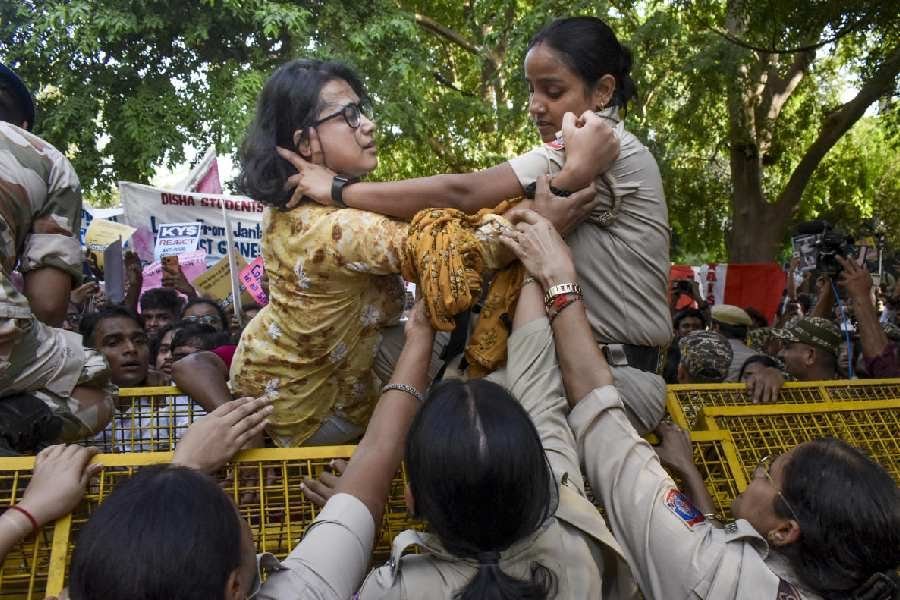
Protests have taken place in Delhi and Mumbai, with thousands of people joining demonstrations. On October 6, opposition lawmakers, including Rahul Gandhi, were briefly detained during a march towards the Election Commission office after protesters tried to move past police barricades.
Opposition parties are demanding Kumar’s resignation, changes to the voter-roll revision process and the restoration of names they believe were wrongly removed.
The BJP, meanwhile, has accused the opposition of trying to weaken public confidence in democratic institutions and has defended the Election Commission’s work.
A Test of Public Trust
The protests have turned a dispute over voter lists into a wider debate about trust in India’s electoral system. For the government and Election Commission, the challenge is to address concerns about the voter-roll process while maintaining the stated goal of keeping electoral lists accurate.
For international observers, the developments are significant not simply because of the protests themselves, but because they raise broader questions about transparency, accountability and public confidence in one of the world’s largest electoral systems.
As protests and legal proceedings continue, attention inside India and abroad is likely to remain focused on how the Election Commission responds to the concerns surrounding Gyanesh Kumar and the ongoing voter-list revision.