
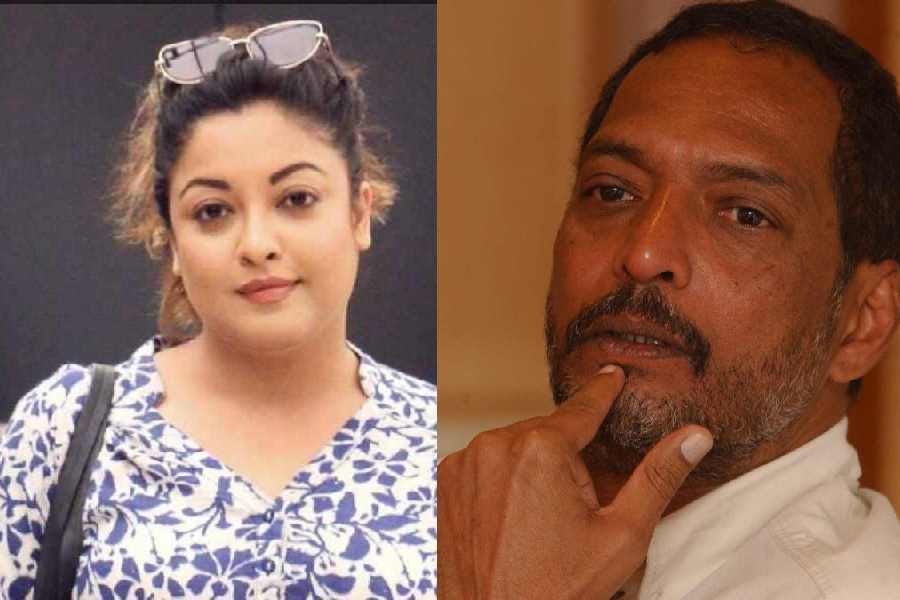
Source telegraph India
Tanushree Dutta has once again spoken about her painful experiences involving veteran actor Nana Patekar, saying that the events surrounding their past dispute made her life extremely difficult. The actress, who brought serious allegations against Patekar during India’s #MeToo movement, has claimed that the impact of the experience continued to trouble her, even after his death.
Her remarks have once again drawn attention to a controversy that became one of the most widely discussed moments in the Indian film industry, raising questions about workplace safety, justice and the emotional cost of speaking out.
Tanushree Dutta Recalls a Difficult Chapter of Her Life
Tanushree Dutta, best known for films such as Aashiq Banaya Aapne and Dhol, became a major voice in India’s #MeToo movement in 2018. She accused Nana Patekar of inappropriate behaviour during the filming of a movie in 2008.
The allegations sparked widespread debate across the entertainment industry, with several people discussing the challenges women face when they speak about uncomfortable experiences at work.
Patekar denied the allegations. The controversy also led to public discussions about the need for safer working conditions and greater accountability in the film industry.
Dutta’s latest remarks suggest that the experience remains a painful part of her life. Her statement that the situation made her life feel like “hell” reflects the emotional weight she says she has carried over the years.
‘Troubled Even in Death’: What Her Words Mean
Dutta’s remark that she was troubled even after Patekar’s death has attracted attention because it points to the lasting effect of a deeply distressing experience.
For many people who speak publicly about painful events, the consequences can continue long after the original incident. Public criticism, repeated discussions and the pressure of defending one’s claims can make it difficult to move forward.
Her words have also reopened conversations about how people deal with emotional pain when a controversy remains in the public eye for years.
However, her claims and statements should be understood as her account of the events. The allegations against Patekar have been disputed, and the two sides have presented different versions of the controversy.
The #MeToo Movement Changed the Conversation
When Dutta spoke out in 2018, her allegations became part of a wider movement in India that encouraged people to share experiences of sexual harassment and misconduct.
The movement led to intense discussions about power, professional relationships and the difficulties people may face when challenging influential figures.
Several people in the entertainment industry came forward with their own accounts, while others called for fair investigations and due process.
Dutta’s case became one of the most recognisable examples of the movement in Bollywood. It also showed how quickly personal allegations can turn into a national debate, affecting the lives and reputations of everyone involved.
A Controversy That Continues to Raise Questions
Years after the controversy first made headlines, Dutta’s latest remarks have brought the issue back into public discussion.
Her experience highlights the emotional challenges that can come with speaking openly about alleged misconduct. At the same time, such serious allegations require careful examination, and all individuals deserve a fair process.
For audiences, the renewed attention serves as a reminder that controversies involving public figures are not simply stories about celebrities. They can also raise difficult questions about dignity, personal suffering, accountability and the importance of safe workplaces.
As discussions continue, Dutta’s words have once again placed her account of the past at the centre of public attention.









